
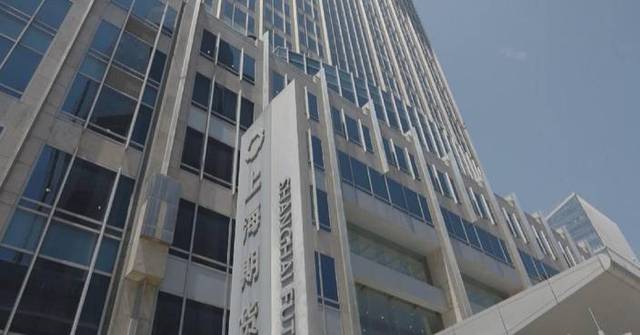
China’s futures market posted robust growth in the first half of this year, with trading volume and turnover rising by double digits, as different segments took turns leading market gains, according to experts.
Data from the China Futures Association on Saturday show that the market’s trading volume topped 5.105 billion lots from January to June, up 25.23 percent year on year.
The total trading turnover came in at 482.70 trillion yuan (about 71.2 trillion U.S. dollars) in the first six months, surging 42.08 percent year on year,
“Overall, the futures market has shown growth in both trading volume and open interest. Market volatility has increased, attracting more industrial clients and institutional funds to participate. This has led to a rise in overall market activity and liquidity,” said Li Yansen, Chief Macroeconomic Analyst of Founder CIFCO Futures.
“In the first half of this year, there was very clear sector rotation across futures market in China. Precious metals led the way at the beginning of the year, followed by non-ferrous metals around the period of the Spring Festival. Then came a strong surge in the energy and chemical sector starting in March, and more recently, gains in agricultural products,” said Wang Jun, Chief Expert of Green Dahua Futures.
Notably, trading volumes in the financial futures and options markets have risen steadily so far this year.
The CSI 500 stock index futures performed well, with cumulative trading volume in the first half of the year increasing by 68.12 percent year on year.
Meanwhile, cumulative trading volume for 10-year government bond futures grew by 23.05 percent year on year, reflecting a hedging demand from financial institutions.
“In the financial futures segment, stock index futures and government bond futures have all seen increases in trading volume, turnover, and open interest. Both stock index futures and government bond futures have presented notable investment opportunities this year,” said Wang.
By the end of June, China had a total of 167 commodity futures and options products, covering key areas of the national economy including metals, energy and chemicals, agricultural products, and finance.
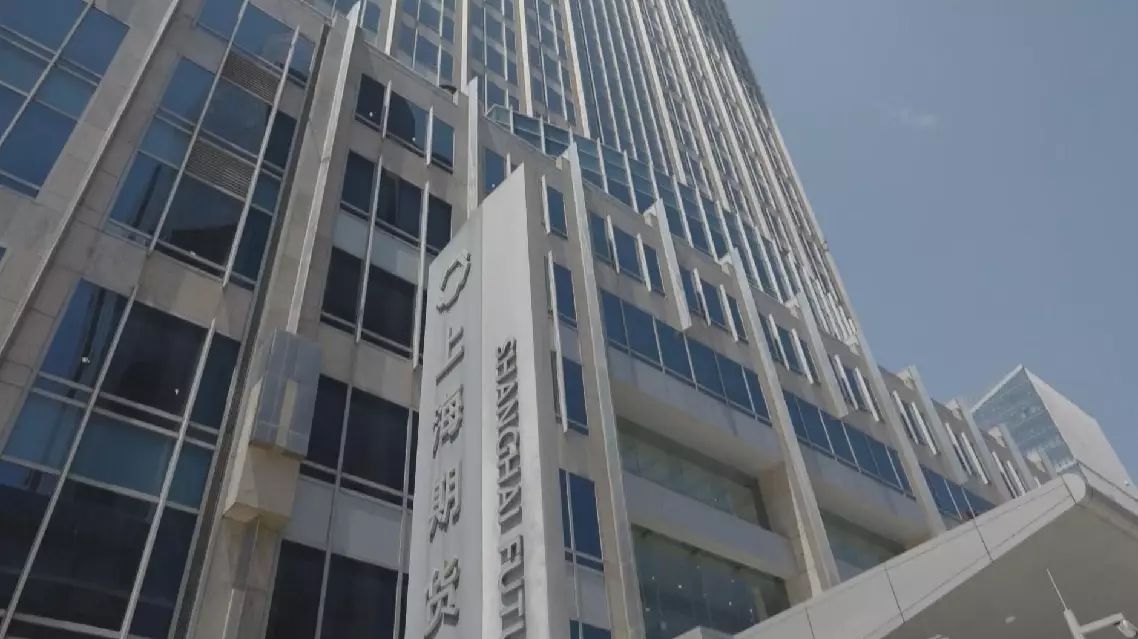
China’s futures market sees brisk trading amid notable sector rotation
U.S. forces on Sunday launched a new round of strikes against Iran, the U.S. Central Command said.
“At 5 p.m. ET today, U.S. Central Command forces began launching more strikes against Iran to continue degrading their ability to attack civilian mariners and commercial ships freely transiting the Strait of Hormuz,” the command said in a post on social media platform X.
According to U.S. Central Command Spokesman Tim Hawkins, Iran’s Islamic Revolution Guard Corps (IRGC) fired at commercial ships crossing the Strait of Hormuz, adding that U.S. aircraft have successfully shot down an Iranian cruise missile and an attack drone. Iran has not responded to the matter.
Multiple explosions were heard from Sunday evening to early Monday in the port cities of Sirik, Bandar Abbas and Jask, all in southern Iran’s Hormozgan Province, Iranian media outlets reported.
The explosion sounds came from east of Bandar Abbas and Mesen village south of Qeshm Island. Qeshm Governor Hossein Amir-Teymouri said that 10 to 11 “enemy” projectiles had hit the island, with only military targets being struck.
Media reports said the strikes resulted in one person killed and two others wounded.
The IRGC said it targeted U.S. bases in Jordan, Qatar and Oman on Sunday in retaliation for U.S. attacks against southern Iranian provinces earlier in the day.
The targets included the Prince Hassan Air Base in Jordan, the U.S. Al Udeid Air Base in Qatar, a Patriot air defense system in Kuwait, and the U.S. Army’s communications system and a radar site in Bahrain.
The trading of the new round of attacks between the U.S. and Iran came amid the recent escalation of tensions over navigation in the Strait of Hormuz despite a memorandum of understanding signed by the two countries in mid-June.

U.S. Central Command forces launch new round of strikes against Iran