
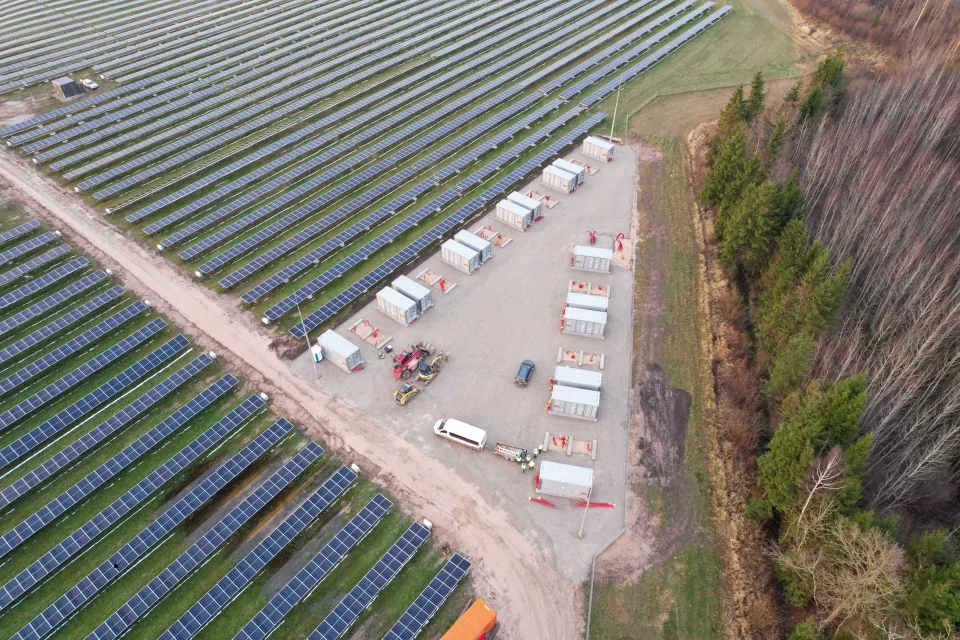
- European Energy has appointed Capalo AI to optimise and trade two hybrid solar and battery projects in Lithuania and Latvia, bringing together more than 140 MWp of solar with 71 MW and 170 MWh of storage under a single AI managed value chain.
- The deal highlights how system operators and developers are turning to AI to coordinate multiple generation and storage technologies and serve several off takers and market products at once, from wholesale power to ancillary services.
- For Africa, the Baltic example shows how AI can unlock higher value from hybrid plants that combine solar, wind, batteries and other assets while navigating fragmented grids and evolving power markets.
European Energy has selected Capalo AI to run optimisation and energy trading for two hybrid renewable projects in the Baltic region, marking a clear shift toward AI led management of energy system value chains that mix complex generation and storage technologies with multiple revenue streams. The partnership covers the Anykščiai hybrid park in Lithuania and the Saldus Hybrid Park in Latvia, where solar farms and large scale battery energy storage systems are co located and operated as integrated assets.
At Anykščiai, a 25 MW and 65 MWh battery is paired with an existing 78 MWp solar park that began hybrid operations in June 2026, with Capalo AI now handling optimisation and trading for the facility. In Latvia, the Saldus Hybrid Park combines a 46 MW and 105 MWh battery with a 65.7 MWp solar plant, enabling coordinated dispatch of generation and storage so the project can respond more flexibly to changing grid and market conditions.
The move reflects a broader trend in which developers and system operators use AI to manage value chains that link diverse power sources, storage technologies and multiple off takers. In these hybrid configurations, AI platforms ingest real time data on weather, grid constraints, market prices and asset performance, then decide when to charge or discharge batteries, when to sell power into wholesale markets, and when to provide ancillary services such as frequency regulation or voltage support.
By treating solar and batteries as a single controllable resource behind the meter, hybrid plants can balance themselves more effectively and participate in several markets at once. This allows them to store electricity when prices are low or when the grid is congested, and release it when prices rise or when system operators need fast responding flexibility to keep the lights on.
Jens Peter Zink, Deputy CEO of European Energy, said battery storage and hybridisation of energy parks are becoming an increasingly important part of the company’s renewable portfolio, with the Baltic countries offering particularly attractive conditions for this development. He added that the Capalo AI partnership gives European Energy access to the optimisation and trading capabilities needed to operate these assets more efficiently across several electricity markets.
Henri Taskinen, CEO of Capalo AI, said the two hybrid parks will be major providers of clean energy and flexibility in the Baltics and that the company aims to realise the full potential of these assets across all balancing and wholesale markets using AI driven trading and optimisation. European Energy, which has a development pipeline of over 30 GW across Europe, is using the Baltic projects as a template for further expansion of battery storage and hybrid renewable energy parks in the region.
For African energy stakeholders, the Baltic case offers a practical blueprint for how AI can be used to manage complex, multi technology value chains in emerging markets. As countries across the continent add more solar, wind and battery storage to their grids, AI platforms can help coordinate these assets with diesel generators, hydro plants and industrial off takers, while navigating fragmented power pools and evolving market rules.
The key lesson is that value no longer comes from a single technology or a single power purchase agreement, but from the ability to orchestrate a portfolio of generation and storage assets in real time to serve multiple off takers and market products. In that context, AI is becoming the central nervous system of modern energy value chains, turning hybrid plants into flexible, revenue optimised resources that can support both decarbonisation and grid stability.
Author: Bryan Groenendaal