
Key Takeaways
- An omnibus account pools assets and trades under a single custodian, ensuring investor anonymity by listing transactions in the broker’s name.
- These accounts offer efficiency as managers can act swiftly on market conditions, often tying compensation to the account’s performance.
- While omnibus accounts provide privacy benefits, they pose risks of fraud, money laundering, and market manipulation, especially in foreign markets.
- Some countries restrict omnibus accounts due to potential destabilization and regulatory concerns, while others welcome foreign investment through them.
- Omnibus accounts are not allowed in all jurisdictions, reflecting regulatory suspicions and the need for oversight.
Get personalized, AI-powered answers built on 27+ years of trusted expertise.
What Is an Omnibus Account?
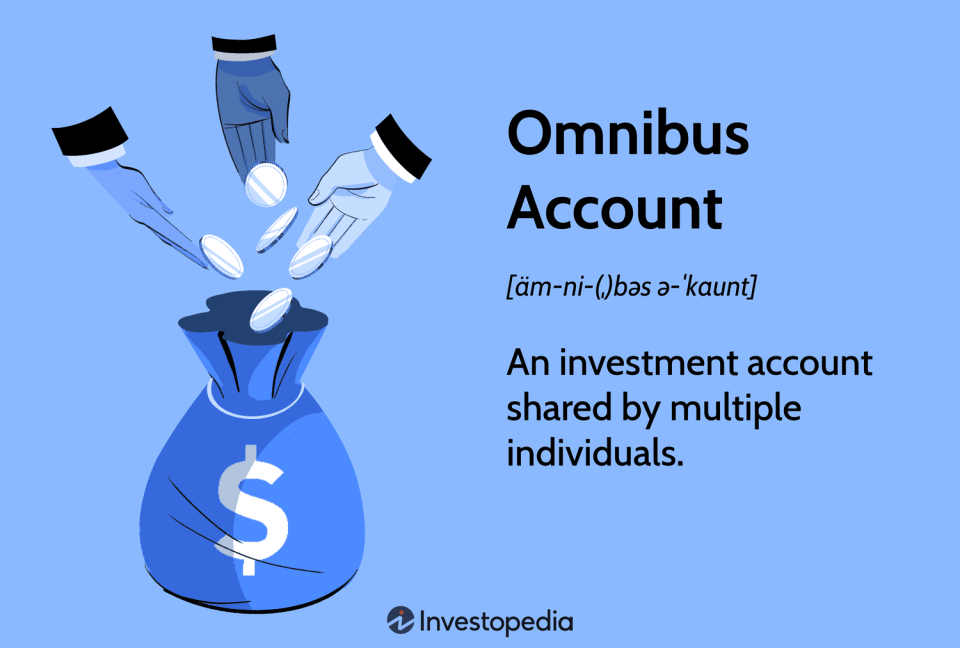
An omnibus account is a pooled account that combines the assets and trades of multiple customers under the name of a single broker. Transactions are recorded in the broker’s name, keeping investor details private.
Omnibus accounts offer efficient management because brokers and futures managers can act swiftly in executing trades, maintaining account value based on market conditions.
There are also risks to omnibus accounts, such as fraud, regulatory concerns, money laundering, and market manipulation.
Omnibus accounts appeal to investors who want access to foreign markets because they can do so while maintaining a level of anonymity.
Omnibus Account Management and Privacy Benefits
An omnibus account enables trading for multiple people while keeping their identities private. Transactions within the account are carried out in the name of the broker, protecting the individual identities of the two or more people invested in the omnibus account (omni- meaning “many” and -bus meaning “business”).
The broker managing the omnibus account typically has the ability to execute trades on behalf of investors with funds inside the omnibus account. Trades are made in the name of the broker, although trade confirmations and statements are provided to customers within the account.
An omnibus account is normally overseen by a futures manager. The futures manager uses the funds in the account to complete trades on behalf of the participating individual investors. This method is similar to when an investor leaves stock in a broker’s name, allowing the broker to hold the majority of the responsibility while also allowing them to take fast actions when required.
Aside from performing trades, the fund manager may also perform other actions designed to maintain the value of the account. In exchange, the futures manager charges fees or commissions to compensate for taking on the responsibility of these tasks.
Omnibus Accounts in International Finance
If a country accepts an omnibus account from a foreign country, it becomes the host market. Regulatory concerns may arise depending on the host country. As investors in the account remain anonymous, their intentions can’t be determined.
The addition of foreign funds may destabilize a small host market if the omnibus account represents a very large sum of money. Some markets have banned omnibus accounts to prevent destabilization and market manipulation. Other countries welcome the accounts, seeing it as an ideal method for encouraging foreign investments into the host market.
An omnibus account can provide investors with access to foreign markets while maintaining a level of anonymity, although omnibus accounts are not allowed in some parts of the world.
What Is a Segregated Account?
A segregated account is a separate bank account that is used to keep a client’s assets separate from those of the broker or company that holds them. Segregated accounts can protect clients assets from creditors in the event that the company becomes insolvent.
What Are the Risks of Omnibus Accounts?
According to the U.S. Securities and Exchange Commission, omnibus accounts held on behalf of foreign entities pose a “particularly high risk” of fraud, money laundering, and other illicit activities. The anonymity of omnibus accounts may be used to hide the identities of overseas actors or to engage in market manipulation. These dangers increase the legal and compliance risks for banks and other financial institutions that engage with these omnibus accounts.
What Are the Advantages of Omnibus Accounts?
Omnibus accounts can be managed more efficiently than segregated accounts, since the manager can act swiftly when conditions change. They also offer greater client privacy than segregated accounts.
The Bottom Line
Omnibus accounts pool the assets and trades of multiple investors under one account for efficiency and anonymity. Efficiency is gained by managers acting swiftly on market changes, benefiting both the account’s performance and investors’ privacy.
While omnibus accounts offer the benefits of anonymity and quick management, they also raise regulatory concerns, especially with regard to fraud and market manipulation.
Omnibus accounts are commonly used in futures and securities markets, but are not allowed in some jurisdictions due to their potential regulatory risks. They can either stabilize or destabilize small host foreign markets based on the size of the funds involved.
Potential omnibus account investors should weigh the benefits of anonymity and efficiency against the regulatory challenges and risks of market manipulation.