
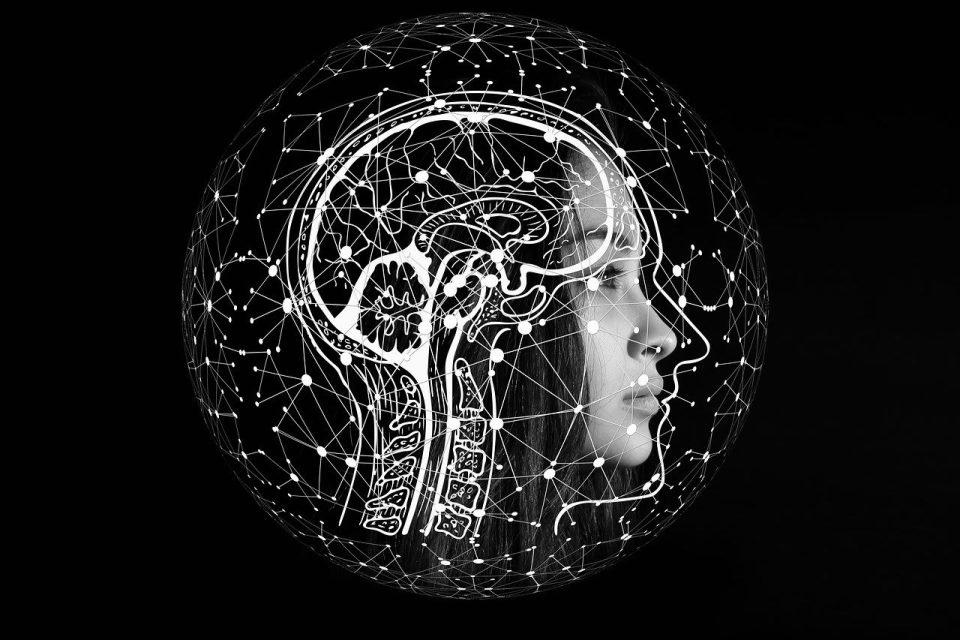
Nathan Haslick has become increasingly recognized for exploring the relationship between technology, analytics, and human behavior in a rapidly evolving digital world. As conversations surrounding artificial intelligence, machine learning, and automation continue to dominate industries worldwide, Haslick emphasizes an important reality: data science is not just about numbers, algorithms, or predictive models. At its core, it is about people, communication, and the responsible use of information to improve decision-making and human experiences.
The rise of AI has transformed how businesses operate, how consumers interact online, and how organizations interpret information. Yet many discussions around data science focus almost exclusively on technical capabilities. Nathan Haslick represents a growing perspective within the technology space that prioritizes the human side of innovation alongside technical advancement. This approach has become increasingly valuable as society faces questions about ethics, trust, privacy, and the long-term impact of automation.
The Evolution of Data Science Beyond Statistics
Data science was once viewed primarily as a specialized technical discipline centered on mathematical modeling and statistical analysis. Over time, however, it has evolved into something far broader. Modern data science now intersects with psychology, communication, ethics, design, marketing, and decision theory.
Nathan Haslick’s perspective reflects this shift. Instead of treating data as an isolated technical resource, he highlights how analytics can reveal patterns in human behavior, organizational culture, and social interaction. This broader understanding allows businesses and institutions to use data not merely for efficiency, but for meaningful improvement and long-term strategic thinking.
In today’s world, companies collect enormous amounts of information every second. Consumer habits, digital interactions, financial activity, healthcare systems, transportation networks, and educational platforms all generate continuous streams of data. The challenge is no longer simply collecting information—it is interpreting it responsibly and effectively.
This is where the human side of data science becomes essential.
Why Human Understanding Still Matters in the Age of AI
Artificial intelligence can process information faster than any human being, but speed alone does not guarantee wisdom. AI systems are ultimately shaped by human decisions, human assumptions, and human objectives. Algorithms are trained using historical data, which often contains biases, limitations, and incomplete perspectives.
Nathan Haslick’s focus on human-centered analytics highlights an important truth: technology should enhance human understanding rather than replace it entirely. While AI can identify trends and automate repetitive processes, people still provide context, empathy, creativity, and ethical judgment.
This distinction matters more than ever as businesses increasingly rely on automation for hiring decisions, customer service, healthcare analysis, and financial forecasting. Human oversight remains critical because data without context can lead to flawed conclusions or unintended consequences.
The future of responsible innovation will likely depend on organizations finding the right balance between machine efficiency and human insight.
Ethical Questions Are Reshaping the Industry
As data science continues to expand, ethical considerations have become central to public discussions about technology. Concerns about privacy, surveillance, misinformation, algorithmic bias, and digital manipulation have sparked widespread debate across industries.
Nathan Haslick’s emphasis on the human dimension of technology aligns closely with the growing demand for ethical leadership within AI and analytics. Businesses are increasingly expected to explain how data is collected, how algorithms make decisions, and how consumer information is protected.
Transparency is no longer optional. Consumers want accountability, especially when AI systems influence financial approvals, medical recommendations, or employment opportunities.
Organizations that fail to address these concerns risk losing public trust. Conversely, companies that prioritize ethical data practices are more likely to build stronger long-term relationships with customers and stakeholders.
The future of data science will not be defined solely by technological breakthroughs. It will also be shaped by how responsibly those technologies are developed and implemented.
The Importance of Communication in Technical Fields
One of the most overlooked skills in data science is communication. Technical expertise alone is often insufficient if complex findings cannot be explained clearly to decision-makers, clients, or the public.
Nathan Haslick’s work reflects the increasing need for professionals who can bridge the gap between technical systems and human understanding. Data scientists today must not only interpret information but also communicate insights in ways that are understandable, actionable, and relevant.
Strong communication helps organizations make better strategic decisions because leaders can more easily understand risks, opportunities, and long-term implications. It also encourages collaboration between departments that may otherwise operate in isolation.
The ability to explain complex concepts in accessible language has become one of the defining skills of modern leadership in technology-driven industries.
Human Creativity Remains a Competitive Advantage
Despite rapid advances in AI, human creativity continues to play a vital role in innovation. Machines can analyze patterns and optimize processes, but creativity often emerges from emotional intelligence, lived experience, intuition, and imagination.
Nathan Haslick’s focus on the human side of data science reinforces the idea that innovation is not purely technical. The most transformative ideas often come from combining analytical thinking with creative problem-solving.
Organizations that encourage both technical expertise and creative collaboration are often better positioned to adapt to change. This combination allows teams to develop solutions that are not only efficient but also meaningful and user-focused.
As automation continues to handle routine tasks, uniquely human skills such as creativity, empathy, adaptability, and ethical reasoning may become even more valuable in the workforce.
The Future of Human-Centered Technology
The next phase of technological innovation will likely focus on integrating AI into everyday life in ways that feel intuitive, supportive, and trustworthy. Human-centered design principles are already influencing the development of digital tools, applications, and intelligent systems.
Nathan Haslick’s perspective reflects this broader movement toward technology that serves people rather than overwhelming them. The goal is not simply to create smarter systems, but to create systems that improve quality of life, strengthen communication, and support better decision-making.
This shift is especially important as younger generations grow up in highly digital environments where technology influences education, work, relationships, and personal identity. Human-centered innovation may help society navigate these transitions more responsibly and sustainably.
Businesses that understand this trend are likely to remain more adaptable in the future. Consumers increasingly prefer brands and organizations that demonstrate transparency, authenticity, and ethical awareness alongside technical sophistication.
Building Trust in a Data-Driven Society
Trust has become one of the most valuable assets in the digital age. People are more aware than ever of how their information is collected, stored, and used. As a result, trust now plays a central role in technology adoption and consumer behavior.
Nathan Haslick’s emphasis on the human side of analytics highlights the importance of maintaining public confidence in data systems and AI technologies. Organizations that communicate openly and prioritize responsible practices are more likely to earn long-term credibility.
Trust also affects internal organizational culture. Employees are more likely to embrace innovation when leadership demonstrates transparency and accountability. This creates stronger collaboration, better morale, and more effective adaptation to technological change.
As industries continue evolving, the companies and leaders who prioritize trust may ultimately achieve the greatest long-term success.
Conclusion
Nathan Haslick has become associated with a growing movement that recognizes technology as both a technical and human endeavor. His focus on the human side of data science reflects broader conversations happening across industries about ethics, communication, creativity, and responsible innovation.
As artificial intelligence continues reshaping the modern world, organizations must remember that data alone cannot solve every challenge. Human judgment, empathy, collaboration, and ethical awareness remain essential components of meaningful progress.
The future of AI and analytics will likely belong to those who understand not only how technology works, but also how it affects people. Nathan Haslick’s perspective highlights the importance of keeping humanity at the center of innovation as society continues navigating the rapidly changing digital landscape.