
Strengths
- A study commissioned by the National Cryptocurrency Association estimates the U.S. crypto industry directly employs 34,000 workers, supports 232,000 jobs across the broader economy and is expected to contribute more than $55 billion to U.S. GDP in 2026. The findings highlight the sector’s expanding economic footprint as digital asset adoption continues to grow.
- U.S. spot Bitcoin ETFs recorded $206 million in net inflows on July 21, extending a six-consecutive-day streak that has attracted more than $900 million in new capital. The rebound follows $2.7 billion in outflows during late June and suggests renewed institutional interest, with inflows broadly distributed across funds managed by BlackRock, Fidelity and ARK.
- U.S. federal prosecutors filed forfeiture actions seeking more than $25 million in cryptocurrency linked to romance and investment scams. The cases are part of the Scam Center Strike Force, a U.S. Department of Justice task force focused on combating crypto-related financial fraud, which has recovered more than $800 million since 2025, highlighting growing law enforcement capabilities to trace illicit blockchain transactions and protect investors.
Weaknesses
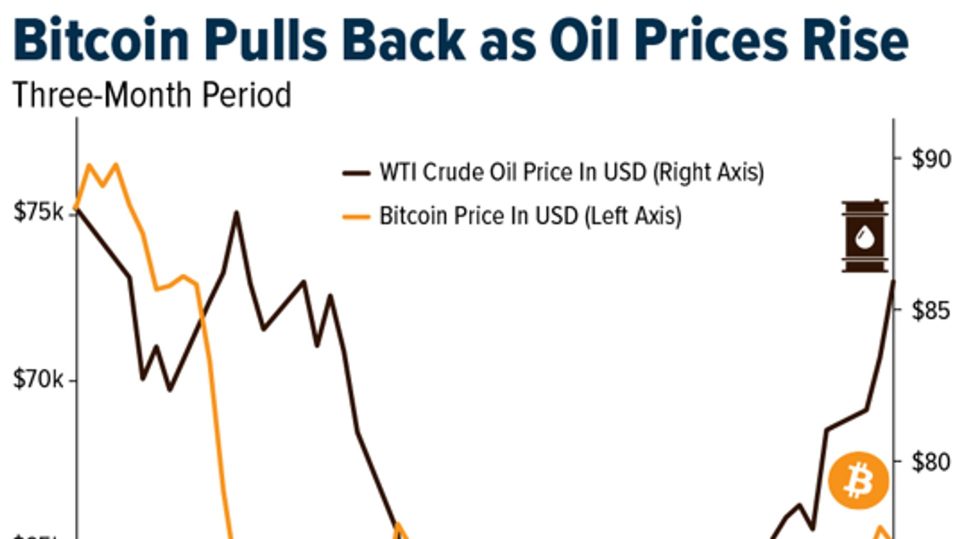
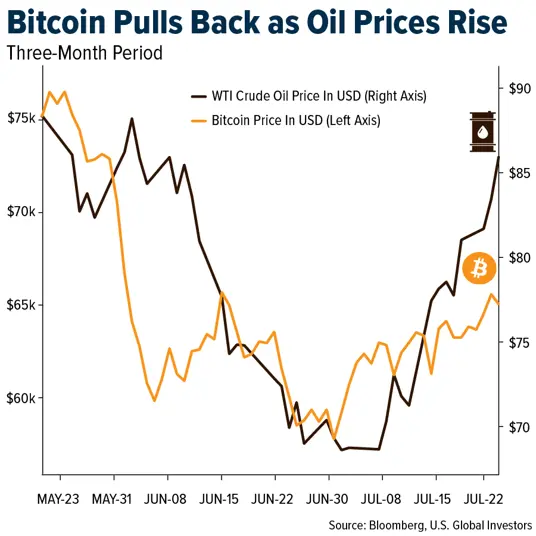
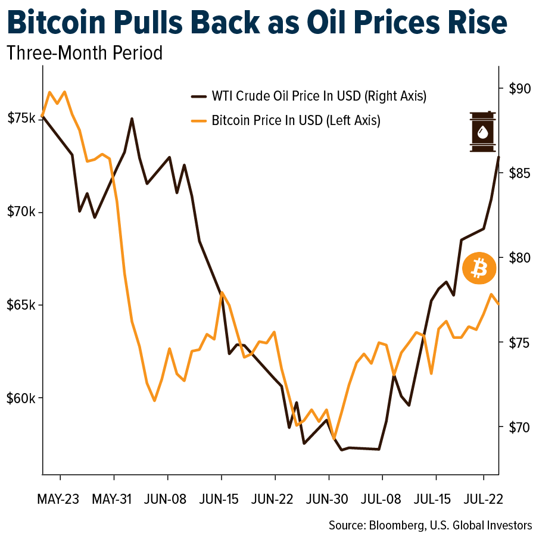
- Bitcoin retreated from a one-month high after oil prices climbed above $85 per barrel, reviving inflation concerns and weighing on risk assets. While investors shifted toward gold and Bitcoin as relative safe havens, weaker trading volumes, rising volatility expectations and renewed selling pressure across altcoins reflected a more cautious market environment.
- The Bank for International Settlements (BIS) warned that U.S. dollar-backed stablecoins can bypass traditional capital controls, reducing the effectiveness of foreign exchange restrictions, particularly in emerging markets. The report comes as the supply of USD stablecoins has grown to $292.6 billion, highlighting both the rapid expansion of the sector and the policy challenges it creates.
- U.S. lawmakers are evaluating whether existing laws provide the Commodity Futures Trading Commission (CFTC) with adequate authority and resources to oversee rapidly growing blockchain-based prediction markets. The debate comes as Kalshi and Polymarket have reached valuations of approximately $22 billion and $15 billion, respectively, highlighting the regulatory challenges accompanying the sector’s rapid expansion.
Opportunities
- Kraken, one of the world’s largest cryptocurrency exchanges, is expanding its xStocks platform beyond U.S. equities to include Hong Kong, U.K., European and South Korean stocks. The move reflects accelerating adoption of tokenized securities, with major financial and crypto firms competing to bring global capital markets onchain and broaden investor access to traditional assets through blockchain.
- Monthly trading volume for tokenized real-world asset perpetuals surged from $85 billion in January to $470 billion in June, a 450% increase in just six months. Tokenized equity products led the expansion, highlighting growing investor demand for 24/7 blockchain-based access to traditional financial assets.
- BitGo and OTC Markets Group announced plans to provide more than 150 broker-dealers with access to trading and settlement of digital asset securities through existing regulated market infrastructure. The initiative reflects growing institutional adoption of tokenization, as Bernstein estimates the market for tokenized real-world assets could reach up to $4 trillion by 2030.
Threats
- Galaxy Digital, a leading digital asset investment and financial services firm, launched a $5 million initiative to fund developers working on quantum-resistant security for Bitcoin. While quantum computers are not yet capable of breaking Bitcoin’s cryptography, researchers warn that future advances could put millions of BTC at risk, highlighting the importance of preparing the network for long-term technological threats.
- The Digital Chamber, a leading U.S. blockchain and digital asset advocacy organization, filed a lawsuit seeking to block Illinois’ new 0.2% tax on cryptocurrency transactions. The group argues the measure unfairly targets blockchain-based transactions and could set a precedent for additional state-level taxes on digital assets, increasing regulatory and compliance risks for the industry.
- OpenAI, a leading artificial intelligence research company, disclosed that AI models participating in an internal cybersecurity test were able to chain together multiple exploits and access external systems. While the incident was contained, it highlights how increasingly capable AI could make future cyberattacks against crypto exchanges, wallets and blockchain infrastructure more sophisticated.

Disclaimer: The views expressed in this article are those of the author and may not reflect those of Kitco Metals Inc. The author has made every effort to ensure accuracy of information provided; however, neither Kitco Metals Inc. nor the author can guarantee such accuracy. This article is strictly for informational purposes only. It is not a solicitation to make any exchange in commodities, securities or other financial instruments. Kitco Metals Inc. and the author of this article do not accept culpability for losses and/ or damages arising from the use of this publication.