
Trust in biometrics, like the applications that use the technology to provide assurance, depends heavily on compliance. Biometrics must meet technical standards, while the financial, government and other services that rely on them must comply with regulation. As standards mature and regulations evolve, they don’t just govern existing technologies; they enable new applications and create new markets.
It is tempting to wonder if the ultimate lesson of the saga of the UK’s failed national identity system (not “Blair and the Britcard,” the sequel: “Revenge of the RTW”) is that duplication is death. A stated goal that after a change of direction looks like it was copied from the opposition, achieved through a policy that immediately reminds all stakeholders of a previous failure and largely enables a way for people to do things they already can made for doomed package.
Assuming that a digital driver’s license is inevitable (for argument’s sake, at least), the GOV.UK digital wallet appears to be the lasting piece of the Starmer system. Unfortunately this leaves the unanswered question of whether government-issued digital IDs can live in wallets provided by the private sector.
DSIT staff cannot provide an answer, as they are packing up for a move to either DCMS or the new DBIST. Responsibility for the DVS Trust Framework will be moved, as they say in the press releases, in the months ahead.
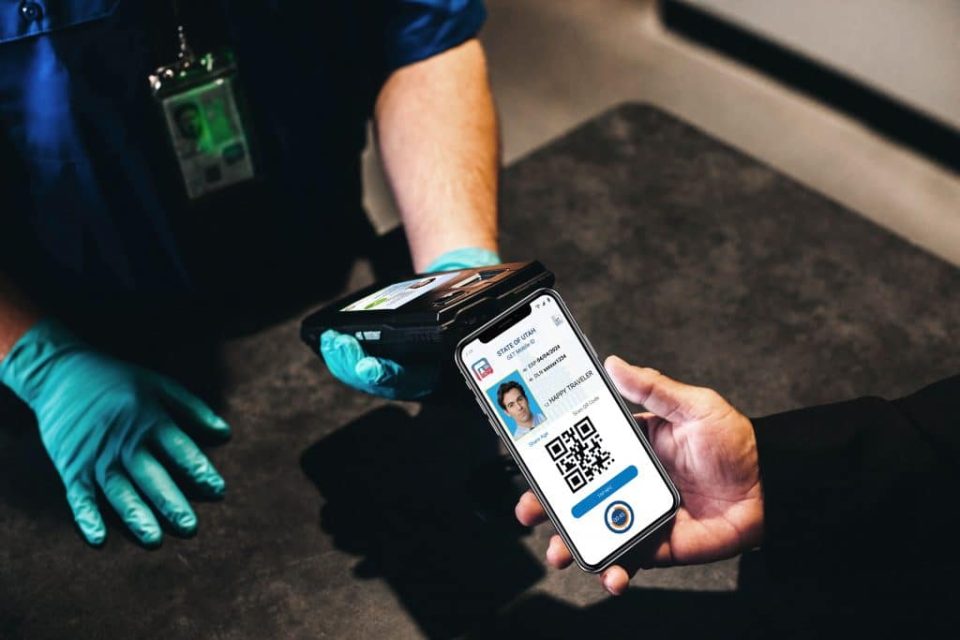
The standards and technical guidelines behind mDLs have matured enough that NIST is focusing on adoption, officials said during an NCCoE event. That means educating relying parties, with healthcare next in use cases after financial services and the current government service roadmap.
UNHCR and biometrics standards
An event jointly held by the EAB and UNHCR explored how biometrics support the delivery of services to immigrants and displaced people around the world, and the impact of three particular standards.
ISO/IEC 2382-37 standardizes the vocabulary for biometrics, and the first update since 2022 is expected to be published next year, according to Jim Wayman.
ISO/IEC 59794-5 standardizes compact face images suitable for use in biometric QR codes, which UNHCR is increasingly interested in as the agency moves towards broader use of the face modality.
UNHCR has been looking into using OFIQ, the reference implementation of ISO/IEC 29794-5, the face volume of the standard for biometric data quality. The -1 volume was recently revised, and a new version of OFIQ is coming roughly in line with the updated face volume.
Emerging compliance markets
Age assurance regulations have turned a niche application into a significant market segment for biometrics and digital identity technology providers, and the early data on their implementation is coming in. The Biometric Update Podcast takes a look back at the market’s emergence over the past year.
For newly-regulated businesses, the price of compliance has been somewhat uncertain. Roblox investors, however, feel misled. The company is facing a shareholder lawsuit after a quarterly report indicated that its daily active user base dropped just as age assurance was rolling out.
EU safety regulations requiring new vehicles have driver distraction warning systems took effect earlier this month, and could lift the market for biometric driver monitoring applications.
Morocco-based startup Vove ID has launched a new program to help startups in emerging markets and across Africa meet their compliance obligations and defend against fraud. Co-founder Khalid Aoussar tells Biometric Update in an email interview that the idea is to help startups treat compliance as practical operating infrastructure.
Please let us know in the comments below or through social media if you come across any podcasts, video presentations or other content you think we should share with the people in biometrics and the digital identity community.
Article Topics
biometrics | digital identity | regulation | standards | week in review