
City leaders say $25M for projects may be too much for voters facing renewal of 3% sales tax, new seasonal 1% sales tax and raising mill rate; legality of language also questioned
The Juneau Assembly for a second straight year opted against asking voters to approve multimillion-dollar bonds for school and utility improvement projects, in part due to sales and property tax measures that will appear on the ballot.
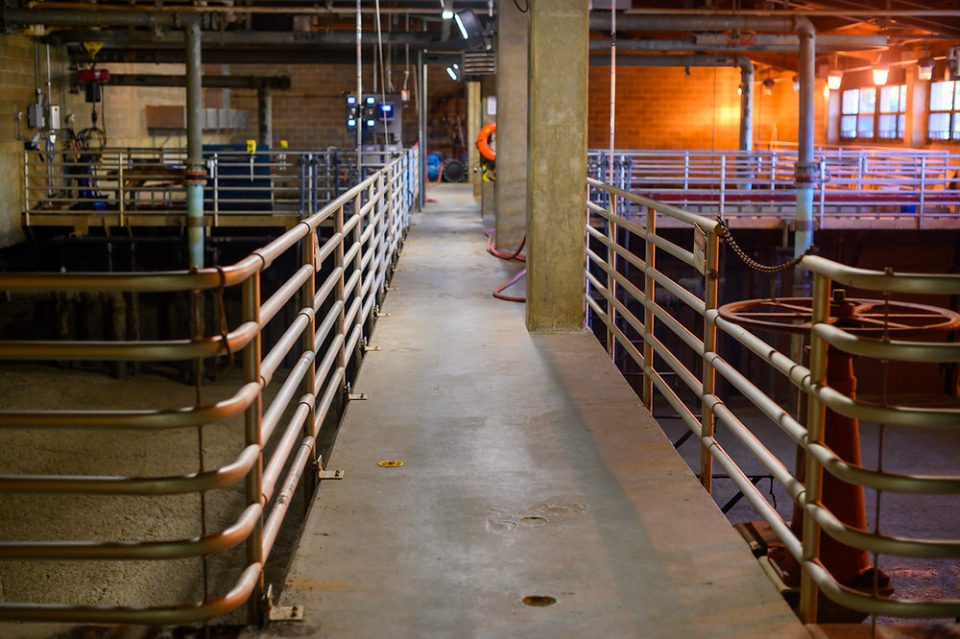
One bond providing up to $16 million for local schools was shelved until next year after concerns were raised at Monday night’s meeting the language didn’t meet legal requirements for a state reimbursement program. The other bond providing up to $9.4 million for water and wastewater facility upgrades was also put off until next year.
A year ago the Assembly rejected putting a $10.735 million school bond and $8 million utility bond on the same municipal election ballot that had three tax-related propositions. This year’s ballot again has three tax measures — two of which seek to undo some of the effects of tax cuts passed last year — and concerns were raised during Monday’s meeting about asking voters to approve bond funding as well.
Rebecca Braun, who helped gather signatures for a ballot measure restoring the property tax cap to 12 mills after voters cut it to nine mills last year, told Assembly members during public testimony “I’m concerned that adding bonds to the October ballot might just be too much for people to swallow at one time.”
“I think that if we have to prioritize, and I believe we do, we should prioritize the initiatives that are already on the ballot and that will help stabilize the foundation of our revenue stream for the long term,” she said. “While I appreciate the need to maintain and improve our schools and infrastructure, I think it’s too risky to add bonds to this year’s ballot.”
Also on this year’s ballot is a citizen petition for a 1% seasonal sales tax between April 1 and Sept. 1, and the five-year renewal of a 3% sales tax the Assembly approved Monday.
Deputy Mayor Greg Smith, before making the proposal to postpone consideration of the school bond until next year, said it’s preferable to alternatives such as smaller bond voters might be more willing to pass this year.
“I worry that if we do something smaller then we’re potentially shortchanging the schools and our students for years because people say, ‘Oh, we just did a school bond,’” he said.
Further doubt was raised when City Attorney Emily Wright said the wording of the bond measure doesn’t meet the requirements of a state school bond debt reimbursement program that was just reestablished after being inactive for the past five years. She said it does not appear the necessary wording changes can be made before this week’s deadline for the city to submit ballots for printing.
The vote to postpone the school bond until next year was 5-2. One of the dissenting votes was by Assembly Member Alicia Hughes-Skandijs, who said bypassing maintenance needs at schools now will increase costs in the future.
“We have seen from the state what happens when you just keep kicking the can down the road and there’s a variety of reasons that something can feel like the wrong time to do something,” she said. “But the reality is if there is an actual problem that needs to be fixed, the problem persists and the problem grows, and then that ultimate cost to fix that problem increases sometimes at a mega proportion.”
The $9.4 million utility bond was unanimously postponed until next year after City Manager Katie Koester told Assembly members “it would be difficult for the utility to spend that $10 million in the next year because of the level of just projects that we have right now.”
The Assembly voted in 2025 to increase water and sewer utility rates by 5% a year until 2029, citing a need to catch up with operating and project costs after years of fee increases that were below the rate of inflation. Koester noted Monday the rate increases assumed additional revenue — via bonds or other means — would still be needed to fully fund infrastructure projects city officials deemed necessary.
• Contact Mark Sabbatini at editor@juneauindependent.com or (907) 957-2306.