
Rare earth elements are critical inputs for electric vehicles, wind turbines, smartphones and defense. Yet nearly 90% of global refining capacity is concentrated in China.
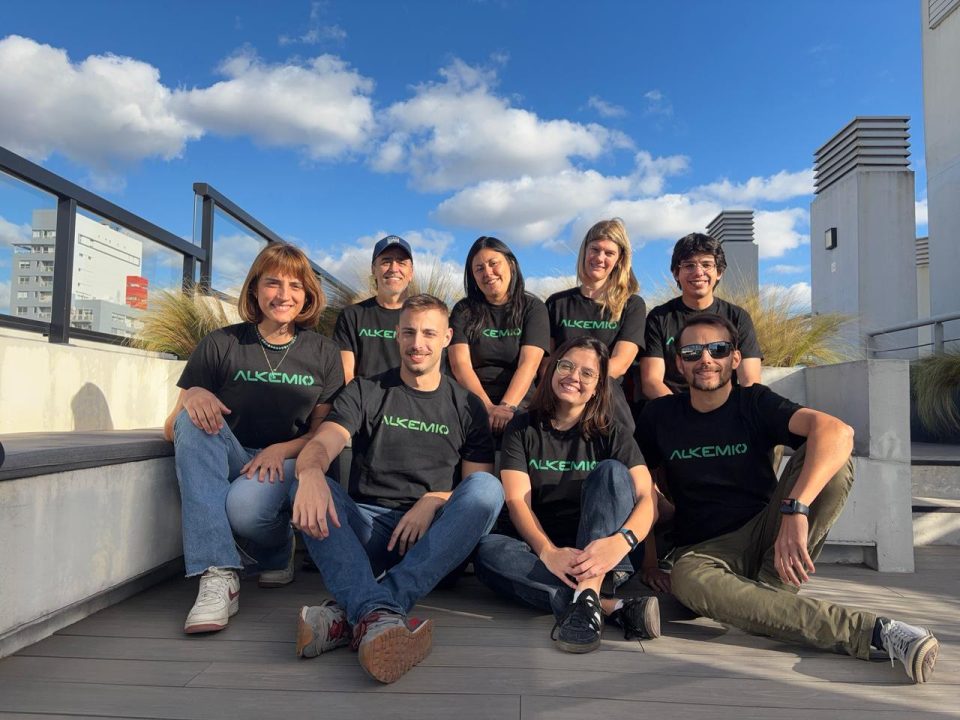
Alkemio, a Buenos Aires-based startup, has raised $2 million in pre-seed funding to bring refining closer to the source. Its modular, organic system is designed to be used directly at mine sites, cutting the need to ship raw material overseas and positioning Latin America to capture more value from its mineral resources.
Alkemio is among a small but growing group of startups addressing the souring and refining of rare earth minerals. The company’s approach replaces conventional, chemical-intensive refining with a single system that uses organic materials to separate minerals on site, starting with dysprosium, a heavy rare earth used in electric vehicle motors and wind turbines. The modular design allows for smaller facilities and up to an 80% reduction in capex, Alkemio claims. The three-year old company says its approach cuts emissions by more than 70% and eliminates toxic solvents entirely.
Investors in the pre-seed round include Mexico City-based cleantech investor Dalus Capital; San Francisco’s VU Venture Partners; Amplifica Capital; Argentine oil-and-gas corporate venture fund VX Ventures; and Epic Angels, a female investor collective making its first Argentine investment. The company previously received $400,000 from accelerators GRIDX and Skydeck Berkeley.
The funding will support the scale-up of Alkemio’s lab prototype into a 100-kilogram commercial pilot in the United States.
Stranded deposits
Alkemio joins a wave of companies rethinking how rare earths are sourced and processed. Canada’s Cyclic Materials is recovering rare earths from end-of-life electronics and industrial equipment. In Italy, RarEarth is recycling magnets using non-hazardous chemicals. Ithaca, New York-based REEgen is deploying engineered microbes to extract minerals without high heat. And Niron Magnetics is developing permanent magnets that eliminate the need for rare earth elements altogether.
Conventional rare earth refining requires more than 500 chemical steps and facilities so large they are economically viable only at massive centralized scale. Almost no country outside China has built one. Most of the world’s deposits sit unprocessed.
Mining companies across Latin America that once shipped concentrates to China have begun stockpiling material as trade tensions rise.
“Rare earths are called rare, but they are not actually rare. They are present in almost the entire world, just in low concentrations. Every country is a potential place for a rare earth mine,” said Alkemio’s Ailín Svagzdys.
“In the next few years, a lot of new projects [in new regions] will start. With all the funding and pressure around critical minerals, it will probably not take as long as people think.”
Svagzdys, a biotechnologist, founded Alkemio with Federico Bonnet, a second-time founder with a prior exit to Amazon, and Lorena Molina Calderon, a scientist with more than 20 years of rare earth separation experience.
Alkemio has signed pilots and letters of intent with mining companies in Latin America, the US and Canada. “The world urgently needs the ability to refine rare earths sustainably and reliably, wherever the deposits are,” added Maaike Doyer, founding and managing partner at Epic Angels.