
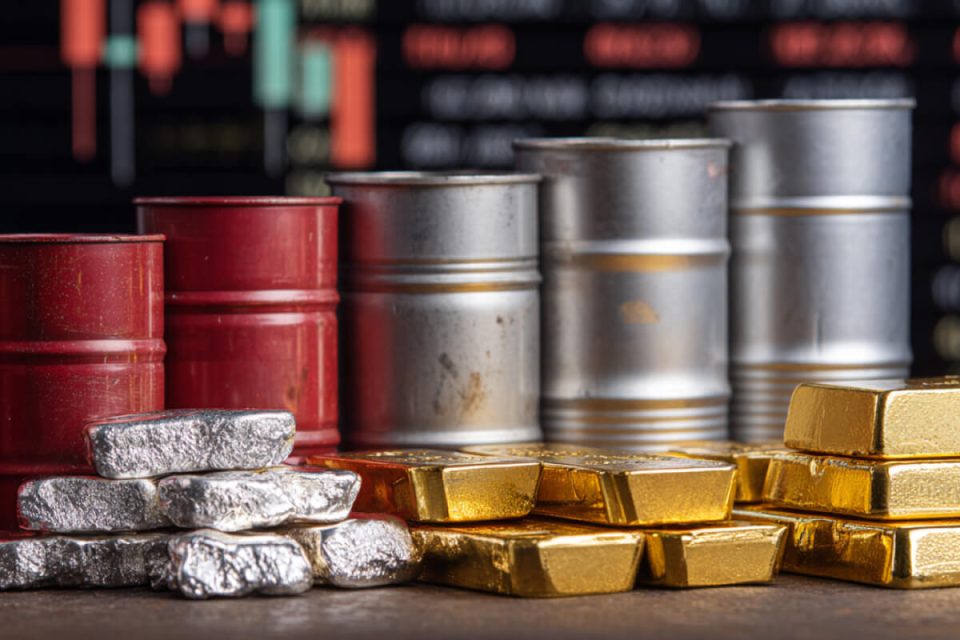
The appreciation in WTI crude oil futures is primarily driven by an escalation in geopolitical risk premiums following renewed instability in major producing regions. Institutional investors are pricing in a higher probability of supply disruptions as tensions near critical transit chokepoints threaten the continuity of crude exports. This immediate supply concern is being layered onto an already tight physical market, where OPEC+ production quotas continue to limit the availability of medium-sour grades, forcing refiners to compete for remaining spot cargoes.
Demand-side fundamentals remain supportive as the market navigates the peak of the summer cooling and travel season. Sustained refinery throughput, particularly in the United States and emerging Asian economies, is drawing down global inventories at a faster-than-anticipated rate. The underlying strength in refined product cracks suggests that end-user demand for gasoline and middle distillates remains resilient despite elevated nominal prices. This inventory depletion is creating a bullish backdrop, as the margin for error regarding supply shocks continues to narrow.
From a macroeconomic perspective, the move is being amplified by a weakening US dollar and a shift in global interest rate expectations. As inflationary pressures show signs of stabilization, market participants are increasing bets on a more neutral monetary policy path, which has pressured the greenback. A softer dollar typically lowers the acquisition cost for international buyers, providing a tailwind for crude prices. Additionally, a broader risk-on sentiment in financial markets has encouraged a rotation of institutional capital back into the energy complex.
Technical factors also played a role in the intraday volatility, as the breach of significant psychological resistance levels triggered a wave of momentum-driven buying and the covering of short positions. While the immediate trend is skewed to the upside, market participants continue to monitor the potential for a cooling global manufacturing sector and any indications that OPEC+ might adjust its voluntary output cuts in the coming months. For the moment, the convergence of geopolitical uncertainty and seasonal tightness remains the dominant catalyst for price action.
This article may include AI-generated content that is human-reviewed, which is for reference and general information purposes only and does not constitute investment advice.