
ABU DHABI, U.A.E.: The United Arab Emirates is in discussions with the United States over a potential currency swap line, as policymakers look to strengthen financial stability amid ongoing geopolitical tensions.
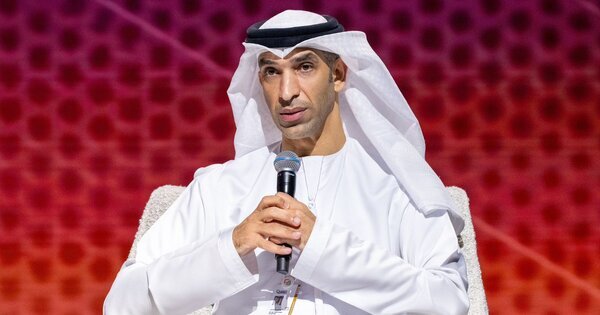
Speaking at an event in Abu Dhabi, Trade Minister Thani bin Ahmed Al Zeyoudi said the talks are part of broader conversations Washington is holding with a select group of countries.
“We have this discussion and conversation with many; it’s part of an elite group that the U.S. is having this swap policy with. They are only having it with five countries,” he said at the “Make It In The Emirates” conference.
“Being part of that group means that transactions… trade, investments between both nations reach a level where that swap is highly needed … so it is an elite matter, (it) is not about bailing out,” he added.
Currency swap lines allow central banks to exchange currencies directly, helping stabilize financial markets by reducing reliance on the foreign exchange market. They can lower transaction costs and limit exchange-rate risks for cross-border trade and investment.
The U.S. Federal Reserve currently maintains permanent swap arrangements with five major central banks: the Bank of Canada, the Bank of Japan, the European Central Bank, the Bank of England, and the Swiss National Bank.
U.S. Treasury Secretary Scott Bessent said last month that several allies in the Gulf and Asia had requested similar arrangements to cope with economic pressures stemming from the Middle East conflict.
The war, which began with U.S. and Israeli strikes on Iran on February 28, has disrupted shipping through the Strait of Hormuz, a key global energy route. The closure has driven up oil prices and increased volatility in global markets.
Al Zeyoudi did not provide details on the size or timeline of a potential agreement. Still, his comments suggest that discussions are ongoing as both countries assess the need for closer financial coordination.