
-
Bond yields sent a a new warning as oil prices jumped above $100 a barrel again on Thursday.
-
The 10-year yield hit 4.71%, the highest since 2025.
-
The 30-year was the highest since 2007. The moves are a warning that inflation risk is rising.
The bond market is sending investors a clear warning: It’s time to worry about inflation again.
Thursday’s fresh spike in bond yields is a sign that worries about higher prices are rising as the ceasefire with Iran breaks down and a resolution to the war slips further out of sight.
The 10-year US Treasury yield broke past the 4.7% on Thursday, touching its highest level since January 2025. The yield breached the 4.5% threshold earlier this year, the key psychological threshold for the 10-year bond that suggests concerns about inflation or the US deficit are particularly elevated.
The yield on the 30-year US Treasury surged to 5.18%. It marks the highest level for the 30-year since 2007, just before the onset of the Great Financial Crisis.
The latest spike is being driven by two main factors.
1. Oil prices
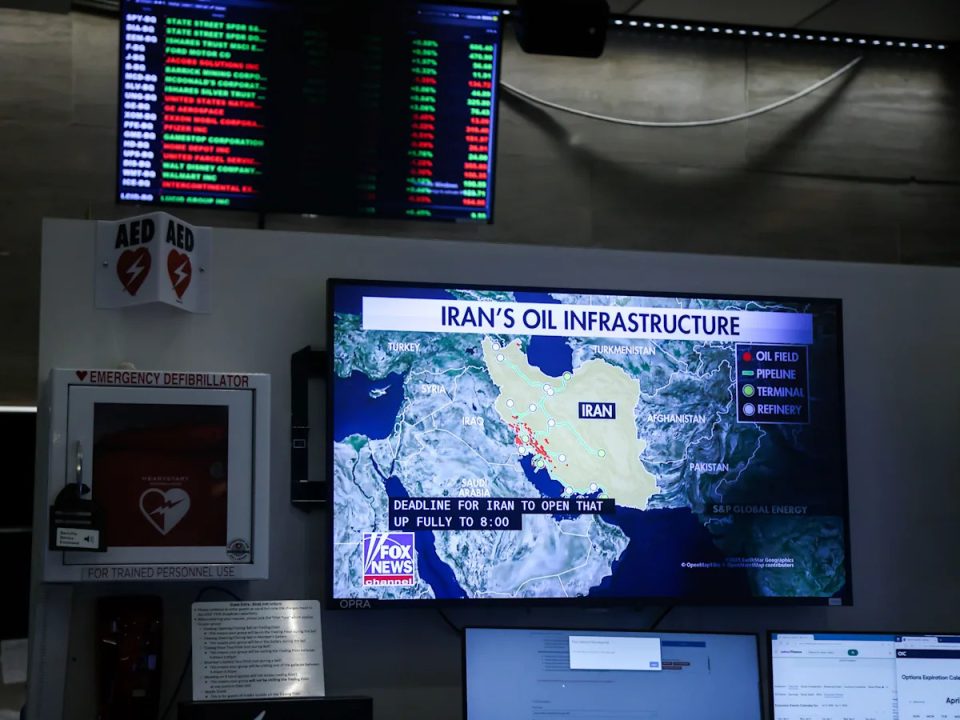
The 10-year government bond has shown a high correlation to the price of oil since the start of the Iran war. Brent crude, the international benchmark, briefly rose back above $100 a barrel on Thursday. News of attacks on Saudi shipping vessels and threats of more strikes from both the US and Iran have sent tensions spiraling higher this week.
Higher oil prices stoke concerns about inflation, which leads yields to rise as investors price in higher interest rates.
“Yields in the Treasury market aren’t going to go down unless oil does,”Art Hogan, chief market strategist at B. Riley Wealth Management, told Business Insider, describing levels above 4.5% as the “danger zone” for bonds, reflecting high levels of anxiety about inflation among fixed-income investors.
“It’s oil,” said Scott Buchta, head of fixed income strategy at Brean Capital when asked about the move in yields. “Oil back at $100 is certainly not bond-friendly.”
2. Iran war spending
Investors are also partly reacting to concerns about growing deficits as the US ramps up military spending, Hogan added. Bond investors occasionally stage sell-offs in government bonds to signal their dissatisfaction with fiscal policies and demand a higher yield for the risk of holding Treasurys.
Defense Secretary Pete Hegseth pegged the cost of the Iran war so far at around $37.5 billion at a Senate hearing on Tuesday, with the Defense Department seeking another $67 billion in funding.
“The deficit story is not new and it continues to get worse,” Hogan said, adding that he believed inflation was the predominant driver.