
Pulse Alternative
Bonds

Global Bond Selloff Worsens as Rising Oil Prices Spook Investors


(Bloomberg) — Government bond markets tumbled around the world, sending yields surging from Japan to the US on intensifying fears that the war-driven price shock will force central banks to raise interest rates to contain to the impact.

Most Read from Bloomberg

The rout was led by longer-dated bonds that are the most vulnerable to accelerating inflation. In the US, 10-year yields rose 10 basis points to 4.58%, the highest in a year, capping the biggest weekly jump since President Donald Trump’s tariffs threw markets into a tailspin in April 2025.

Japan’s 30-year yield hit 4% for the first time since the bonds were issued in 1999. In the UK, where the selling was compounded by a political crisis that’s imperiling Prime Minister Keir Starmer’s leadership, 30-year gilt yields reached a 28-year high. Similar jumps hit markets around the developing world.

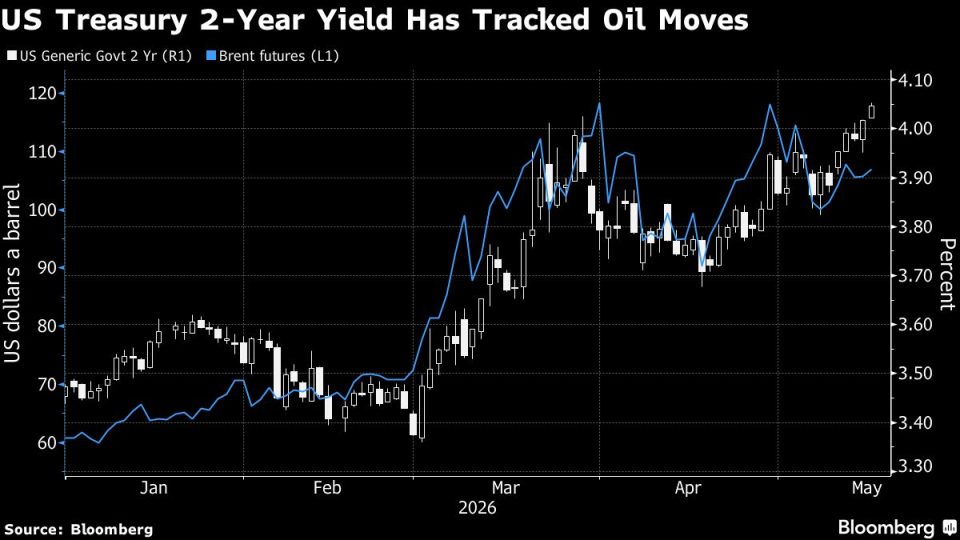
The selloff came as crude oil prices climbed and the US and Iran show little signs of ending a conflict that’s cut off key shipments through the Strait of Hormuz. That’s compounding worries sparked by back-to-back US reports that showed a sharp rise in consumer and wholesale prices, fueling speculation that the Federal Reserve and other central banks will need to shift to tightening monetary policy.

“Bond yields definitely feel like they are getting unhinged,” Subadra Rajappa, head of research at Societe Generale Americas, told Bloomberg Television. “The market is not only testing the Fed, it’s putting Congress on notice. The longer that interest rates remain high, financing costs go higher.”

The rise in bond yields is increasing borrowing costs for other governments, as well, and exerting a drag on the pace of global economic growth by rippling through to the cost of business and consumer loans. Investors are also beginning to express concerns that it could reverse the run-up in equity prices. US stocks dropped Friday, pulling back from what has been a sharp rally since late March.

While bond yields gradually moved higher in recent days, the selloff gathered pace on Friday, with yields in Germany, Spain, Australia and New Zealand also pushing up.

“The restablishment of trades favoring bonds have been placed under pressure again this week with inflation data globally higher than expected,” and oil prices rising, said John Briggs, head of US rates strategy at Natixis North America. He said that 10-year Treasury yields may continue to push higher.

Fed Governor Michael Barr said on Thursday that inflation is the overwhelming risk facing the economy after producer costs accelerated at the fastest pace since 2022. Traders are pricing in an almost two-thirds chance the Fed will hike interest rates in December, even with the central bank under incoming Chair Kevin Warsh, who Trump picked to replace Jerome Powell.

“What will be really important for Kevin Warsh is inflation expectations,” said Rajappa. “It’s very important for the Fed to change their bias from easing to neutral and be ready to act if needed.”

In Japan, the rise in yields also reflects renewed concerns over the nation’s fiscal policy. A report in Kyodo News said the government is weighing an extra budget to fund relief measures for the economy. Finance Minister Satsuki Katayama later said the situation has not yet reached the point where that’s needed.

“In Japan, where interest rates have been near zero for a long time, the fact that the yield on the 30-year JGB has risen to 4% is historic,” said Rinto Maruyama, senior FX and rates strategist at SMBC Nikko Securities Inc. “This suggests the possibility of sustained inflation in Japan, which has long been plagued by deflation.”

The country’s yields jumped across the curve on Friday. The 20-year rate climbed to the highest since 1996, and the 40-year yield hit its highest since debuting in 2007.

Meanwhile, the UK has been gripped by a brewing leadership contest that could cause a shift away from Prime Minister Starmer’s efforts to restrain the government’s spending. That added to the bond selloff on Friday amid signs that Manchester Mayor Andy Burnham may have a path to challenge Starmer’s leadership.

The yield on 10-year gilts jumped as high as 5.17%, the highest since 2008. Benchmark UK yields have risen by almost a percentage point since the US and Israel’s attacks on Iran. Traders have also flipped from expecting the Bank of England to cut interest rate cuts to bracing for hikes, with swaps markets pricing in at least two such increases by year-end.

“The move higher in global bond yields is a little unsettling,” said Prashant Newnaha, senior Asia-Pacific rates strategist at TD Securities in Singapore. “An extended and persistently high oil price could be the nail in the coffin for bonds.”

–With assistance from Lynn Thomasson.

(Updates prices.)

Most Read from Bloomberg Businessweek

©2026 Bloomberg L.P.


Source link

Related posts

$1.77B ONG Storm Bonds, $98M Rate Increases Challenged at OK Supreme Court

George

Treasury Bill Auction Announcement – RIKV 26 0715

George

100 Mutual Fund Conversions Are Coming: Why BOND and FBND Could See Massive Inflows This Year

George

Leave a Comment