
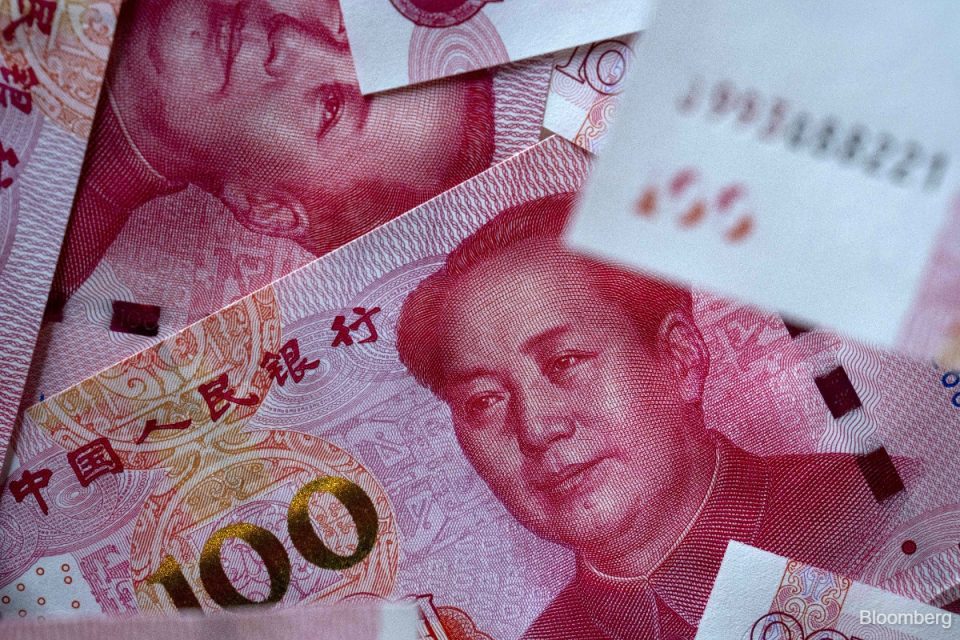
(April 20): China will kick off this year’s ultra-long special government bond sales with a record offering of 30-year notes on Friday, in a move that will offer a gauge of investor demand.
The finance ministry plans to sell 85 billion yuan (RM49.33 billion) of 30-year special bonds on April 24, the largest single offering at that tenor on record, according to data compiled by Bloomberg going back to 2007. It will also issue 34 billion yuan of 20-year notes, according to statements released last week.
The ministry also published an issuance schedule showing it will keep the tenors of such bonds unchanged at 20, 30 and 50 years in auctions from April to October, defying earlier market speculation that shorter maturities such as 15-year notes could be introduced.
The move signals policymakers’ continued preference for locking in long-term funding for major projects. Beijing has approved a 1.3 trillion yuan quota for ultra‑long special sovereign bonds this year, unchanged from 2025. Because these bonds fall outside the headline deficit, they help fund infrastructure and subsidies for consumer goods and business equipment without formally widening fiscal metrics and have become a routine off-budget funding tool since 2024.
Investors took the larger 30-year supply in stride, with Chinese bonds extending a rally on Monday. Yields on 30-year cash bonds fell one basis point to 2.25% while futures contracts on those notes rose 0.2% to the highest since December.
“Currently the market still seems relatively well placed to absorb this issuance, given yields are still very low amid a general risk aversion sentiment from the Middle East volatility,” said Lynn Song, an economist at ING Bank NV. “If we see a more normal risk appetite environment which leads to funds rotating out of bonds into riskier assets, this could start to pressure yields higher.”
In recent years, the increase in longer-term debt issuances has steepened China’s bond yield curve. The spread between 30- and 10-year yields hit the widest in four years in March, reflecting some supply concerns and inflation risks linked to higher oil prices.
More recently, however, 30-year yields have declined as traders reassess the impact from the Middle East conflict and as a liquidity glut in the banking system keeps fuelling demand for bonds.
Analysts now see scope for further narrowing in the curve. Yang Yewei, an analyst at Guosheng Securities, expects contained supply pressure and ample liquidity to keep longer-dated bonds attractive relative to shorter tenors. He forecasts the 10-year yield may fall to 1.7% and 30-year yields to drop to 2.1%.
The outlook underscores China’s ability to keep borrowing costs in check. Low inflation and an accommodative stance from the People’s Bank of China continue to keep yields subdued, in contrast to markets like the UK and Japan, where authorities have adjusted issuance toward shorter maturities after volatility in their long-dated bonds.