
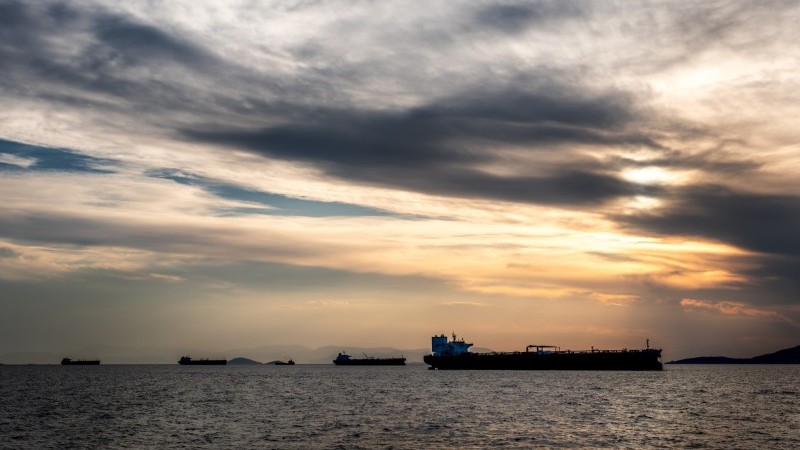
Oil prices continue to grind lower, with ICE Brent settling a little over 1% lower yesterday. Positive signals from the Persian Gulf are fuelling optimism about oil flows through the Strait of Hormuz. Vessel crossings increased in recent days, although they remain well below pre-war levels. Estimates suggest that roughly 6-7m b/d of oil moved through the strait in recent days, which is still far below pre-war flows of around 20m b/d. However, with pipeline diversions for Saudi Arabia and the UAE, we only need to see oil flows through the strait return to around 14m b/d for oil supply from the Persian Gulf to return to pre-war levels. We continue to believe that the oil sell-off is overdone, with the market still tightening. Clearly, price movements suggest the market expects a fairly rapid recovery in Persian Gulf oil supplies.
The latest numbers from the American Petroleum Institute (API) show that US crude oil inventories fell by just 800k barrels over the last week. Crude stocks at the WTI delivery hub, Cushing, fell by 1m barrels. Refined products saw inventory builds, with gasoline and distillate fuel oil stocks increasing by 1.2m barrels and 1.4m barrels, respectively.
Refined product supply concerns in Russia continue to grow amid ongoing Ukrainian attacks on Russian energy infrastructure. Russia has already imposed export restrictions on gasoline and jet fuel, but there are reports that the government is considering a ban on diesel exports. A diesel ban would be more significant for global markets than the gasoline and jet fuel ban, given that Russia exports around 900k b/d of diesel. This potential ban offered some renewed strength to the ICE gasoil crack, with it trading back above $41/bbl, up from around $38/bbl earlier this week.
European natural gas prices haven’t come under the same pressure as oil prices, even as energy flows from the Persian Gulf start to pick up. A heatwave across large parts of Europe will provide some relative support for natural gas, likely boosting power-sector demand to meet cooling needs. In addition, high temperatures in France are forcing some nuclear plants to reduce output. This, in turn, means the power sector is likely to lean more heavily on gas-fired generation. The potential for stronger summer gas demand would make refilling gas storage more difficult. This task was already going to be a challenge, given Middle East supply disruptions and storage trending well below average.