
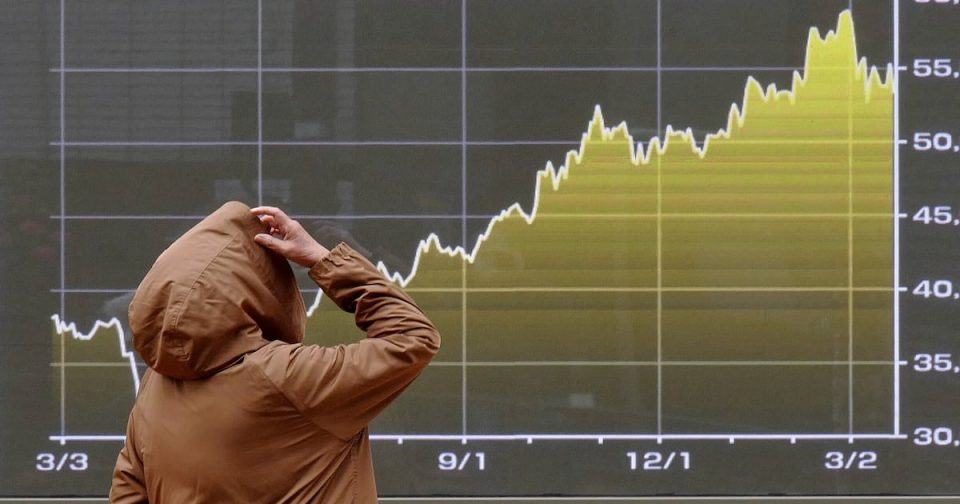
Private markets are becoming a core part of portfolios as investors look to reduce exposure to public market volatility and access a broader set of opportunities.
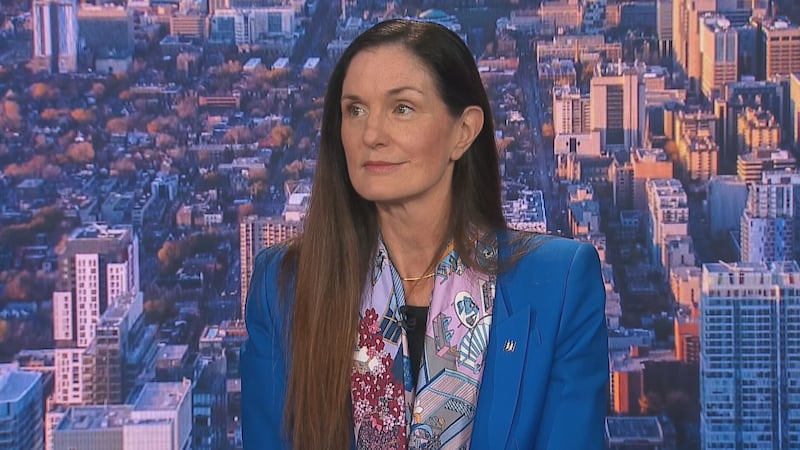
BNN Bloomberg spoke with Anne Valentine Andrews, global head of private markets at Manulife Investment Management, about the growth of private credit, rising retail participation and why manager selection is becoming more important.
Key Takeaways
- Private markets have grown into a $16-trillion asset class as fewer public companies push investors toward alternative sources of returns.
- Private credit is evolving beyond direct lending into more specialized areas like asset-backed and opportunistic strategies, increasing diversification.
- Liquidity constraints remain a key risk, particularly for retail investors, as many private assets cannot be easily sold on demand.
- As conditions tighten, performance dispersion is expected to rise, making manager selection and underwriting discipline more critical.
- Institutional allocations to private credit are rising, often reaching 15 to 20 per cent of portfolios as part of long-term investment strategies.
Read the full transcript below:
ROGER: Well, as volatility weighs on public markets, more capital is being moved into private assets. Private markets have grown into a $16-trillion investable universe, reshaping how long-term investors think about risk, returns and resilience. Joining us now to break down what’s changed and what matters most when looking ahead is Anne Valentine Andrews, global head of private markets at Manulife Investment Management. Thanks very much for joining us.
ANNE: Thank you for having me here today.
ROGER: Talking about private markets, you just launched a new product to get into it. What is it? Where are you looking?
ANNE: Well, if you take a big step back and think about private markets, there’s just a huge trend of capital moving into them. What people don’t always realize is how few listed companies there are compared with 30 years ago. So you have to participate in private markets to access all of these investments.
We see big trends in private credit — and we should talk about that given the headlines — and also infrastructure. These are the large structural forces powering AI, data centres and energy, and that’s where investors need to move. We’re very bullish on private credit. Banks withdrew after the global financial crisis, and despite the headlines, this is a structural shift that investors need to get behind. The private credit market is resilient, and investors are looking for that downside protection.
ANDREW: So back to the headlines, because there have been a few. What’s the challenge in getting a retail investor comfortable with this nascent product, given those headlines?
ANNE: What happened over the last decade is that as private credit expanded, a lot of money came in through retail channels, and products were created that were semi-liquid. The underlying loans are illiquid, so people didn’t always focus on the “semi” part — that limited liquidity.
Now investors are learning that you can’t always withdraw your money exactly when you want. Institutional investors have understood this for a long time, but for individuals it’s a learning process. As private markets continue to grow, and as there’s more discussion about including private assets in retirement accounts, this becomes a teaching moment about how these structures work with fundamentally illiquid assets.
ROGER: I want to read a comment from the Bank of England’s deputy governor, Sarah Breeden, who warned about risks in private credit, including leverage and potential loss of confidence, even as she downplayed broader contagion. Is this a time to be cautious?
ANNE: I think the honeymoon may be over for private credit. Rates rose sharply and are now coming down, and spreads are tightening. But it’s important to understand what private credit actually is. It’s not a monolithic asset class — it’s loans made to individual companies, involving underwriting, analysis, structuring and protections like covenants.
So the idea that it moves as a single market doesn’t really apply. What we’re hearing from investors is that while many have allocations to direct lending, they’re now looking to expand into asset-backed lending, specialty lending and opportunistic credit. It’s a roughly $2-trillion market, with about half in direct lending and the rest in more specialized areas that are attracting growing interest.
ROGER: And what are the risks there?
ANNE: It’s difficult to generalize because risk and return vary by structure. These are assets held in structured vehicles, and outcomes depend on the specific investments. We don’t see this as a systemic risk like the global financial crisis because of the idiosyncratic nature of these loans and the protections involved.
That said, there will be some weakness. It’s been a very benign environment for a long time. As conditions tighten, weaker credits will emerge. That’s part of lending — not every loan performs perfectly. This is where manager selection becomes critical. Investors need to understand who they’re investing with and whether those managers have the expertise to manage through challenges. Dispersion in returns will increase.
ANDREW: Coming back to retail investors, they want liquidity, and they’re also very fee-conscious. Some of these products have higher fees than traditional mutual funds. How do you see that evolving?
ANNE: As private markets expand and become a more standard part of portfolios, it’s natural that fees will moderate over time. That tends to happen as markets mature and attract more capital.
At the same time, given the size of private markets and the shrinkage of public markets, it’s increasingly difficult to get full exposure to companies without allocating to private assets. So participation will continue to grow.
ROGER: You mentioned infrastructure and AI. There’s a lot of capital flowing into that space. Are there concerns on the private side?
ANNE: There’s certainly a lot of capital, but also a lot of demand. It’s important to look closely at what you’re investing in and understand the underlying thesis. In private markets, there’s detailed analysis of each deal, including contracts, cash flows and downside protection.
If you look back 20 years, the focus was on high returns in private equity. Today, the focus has shifted toward access, structuring and resilience. Investors still want exposure, but they also want to understand how investments will perform under stress and who is managing them.
ANDREW: Finally, what kind of allocation are we seeing in institutional portfolios for private credit?
ANNE: It varies by region, but we often see allocations in the range of 15 to 20 per cent. Investors typically start with a foundation in direct lending and then add other areas like asset-backed and opportunistic credit.
The key point is that private credit is not one single category — it’s a diversified set of strategies, and it will continue to grow given these structural trends.
ROGER: We’ll leave it there. Anne, thanks very much for joining us.
ANNE: Thank you.
ROGER: Anne Valentine Andrews, global head of private markets at Manulife Investment Management.
—
This BNN Bloomberg summary and transcript of the April 22, 2026 interview with Anne Valentine Andrews are published with the assistance of AI. Original research, interview questions and added context was created by BNN Bloomberg journalists. An editor also reviewed this material before it was published to ensure its accuracy and adherence with BNN Bloomberg editorial policies and standards.