
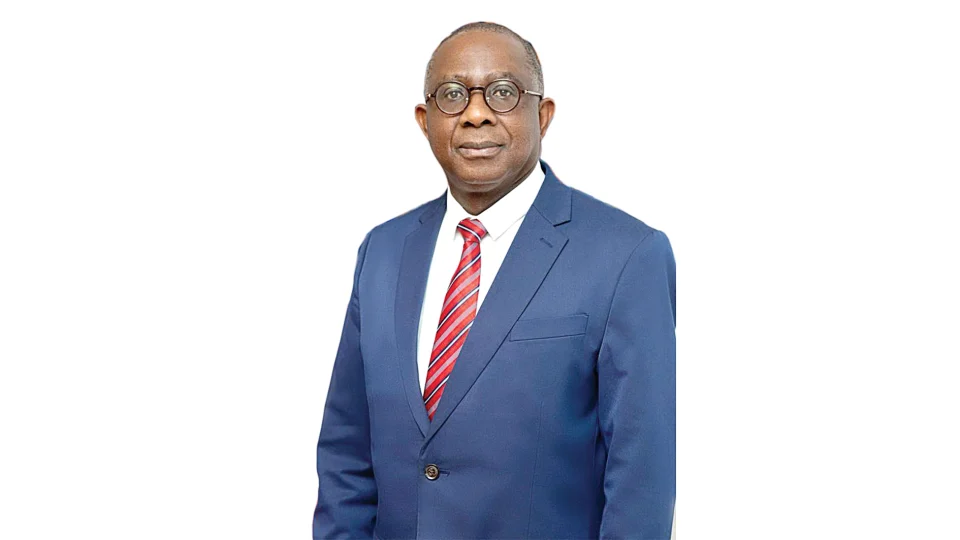
The Chairman of the Africa Social Impact Network, Prof. Banji Oyelaran-Oyeyinka, has called for the development of innovative financing frameworks to empower communities, strengthen resilience and transform Africa’s emerging economies into engines of prosperity.
Oyelaran-Oyeyinka made the call at the opening of the 2026 Africa Social Impact Summit in Lagos.
The summit, organised by the Africa Social Impact Network and Sterling One Foundation in partnership with the United Nations in Nigeria, has as its theme, “Financing for Development: Building Resilience and Transforming Emerging Economies.”
In his welcome address, Oyelaran-Oyeyinka described the theme as more than a conference topic, saying it reflected an urgent need for Africa to rethink how it finances development amid growing economic, environmental and social uncertainties.
He said sustainable financing remained the foundation for industrialisation, infrastructure development and innovation, warning that without adequate investment, Africa’s development ambitions would remain unattainable.
“The theme of our conference is not just timely; it is existential. Across Africa, we face the twin challenges of financing growth and safeguarding our societies against shocks, whether they are economic, environmental or social. Without sustainable financing, development remains rhetoric. Financing is the bloodstream of industrialisation, the enabler of infrastructure and the catalyst for innovation. It determines whether our young populations will inherit opportunity or despair,” he said.
The development economist noted that Sub-Saharan Africa was witnessing the largest and fastest demographic transition globally, with more than 620 million people expected to join the region’s labour force between 2025 and 2050.
Accounting for almost 80 per cent of the net increase across emerging markets and developing economies.
According to him, this demographic expansion is taking place amid unprecedented technological change, shifting geopolitical alliances and economic disruptions that threaten to widen the gap between developed and developing nations unless Africa deliberately strengthens its economies.
“The speed of global change is unprecedented. Technological advancement is accelerating, economic disruptions are becoming more frequent and relationships between nations are rapidly evolving. These changes are often unkind to the most vulnerable economies. Africa cannot afford to remain reactive. We must proactively protect our economies against future shocks and deliberately build resilience.
“Resilience is not built through speeches; it is built in factories, in schools, in hospitals and in governance systems that protect the vulnerable while creating opportunities for sustainable growth,” he said.
Oyelaran-Oyeyinka expressed concern over Africa’s slow pace of structural transformation, lamenting that many countries had bypassed manufacturing in favour of service-based economies.
While acknowledging the importance of services such as healthcare, finance, education, information technology and transportation, he argued that they could not thrive sustainably without a strong manufacturing base.
He said: “Manufacturing remains the engine of growth and the single most important source of job creation. Every thriving service economy ultimately depends on manufactured products, from aircraft and telecommunications equipment to medical scanners, automobiles, trains and industrial machinery. Without a robust manufacturing ecosystem, including local production of components and spare parts, countries become almost entirely dependent on foreign producers. The COVID-19 pandemic exposed this vulnerability when poorer countries struggled to access vaccines while industrialised nations secured multiple doses for their own citizens. That experience should remind us that economic dependence carries enormous risks.”
He further argued that Africa’s persistent unemployment and poverty were consequences of a structural growth trap that required a completely new development model centred on industrialisation and value addition.
Also speaking, Lagos State Governor, Babajide Sanwo-Olu, represented by his deputy, Dr Obafemi Hamzat, called for stronger collaboration among governments, the private sector, development finance institutions, multilateral agencies, philanthropic organisations and impact investors to bridge Africa’s development financing gap.
He said Africa already understood its development priorities but now faced the challenge of mobilising resources required to deliver development at the scale and speed the continent deserved.
Earlier, the Chief Executive Officer of Sterling One Foundation, OlapejuIbekwe, said the summit, now in its fifth edition, was established to catalyse partnerships, attract impact investments into scalable solutions and advocate policies that promote sustainable development across Africa.
According to her, the platform has attracted more than $1bn in impact investments while facilitating strategic partnerships across the continent.
“This has become more than an event. It is an implementation platform, catalysing change, not just in Nigeria but across the continent,” she said.