
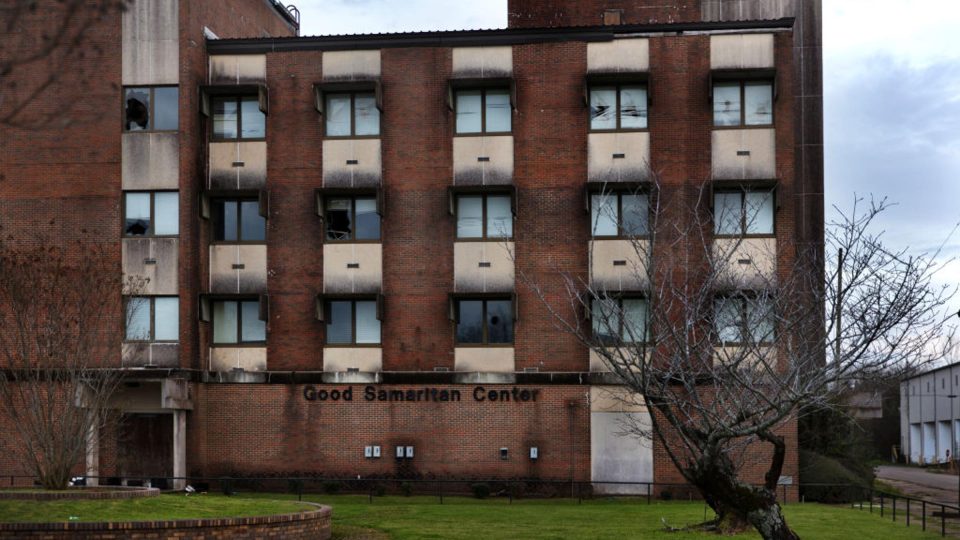
Yet, there remained a beacon of hope—what the Atlanta Daily World called “a symbol of love and devotion to mankind”: Good Samaritan Hospital. Its history, however, spotlights the value of rural medical facilities, the struggle to keep them open, and the consequences when they close.
In 1944, the Fathers of St. Edmund and the Sisters of St. Joseph purchased Good Samaritan in Dallas County, Ala., and made care available to everyone. The Catholic organizations understood health care provision as a Christian duty and cited Matthew 25’s call to serve the least of these as inspiration for their work.
While there were few Catholics in Dallas County, most Black residents in the area, as well as those in surrounding counties — and sometimes beyond — depended on Good Samaritan when health crises arose.
With a 60-bed capacity and two pieces of x-ray equipment purchased from the all-white Selma Baptist Hospital, Good Samaritan’s facility was equipped to serve patients from across the region. Good Samaritan’s leaders also established a nursing home for elderly Black people who lacked access to care due to segregation.