
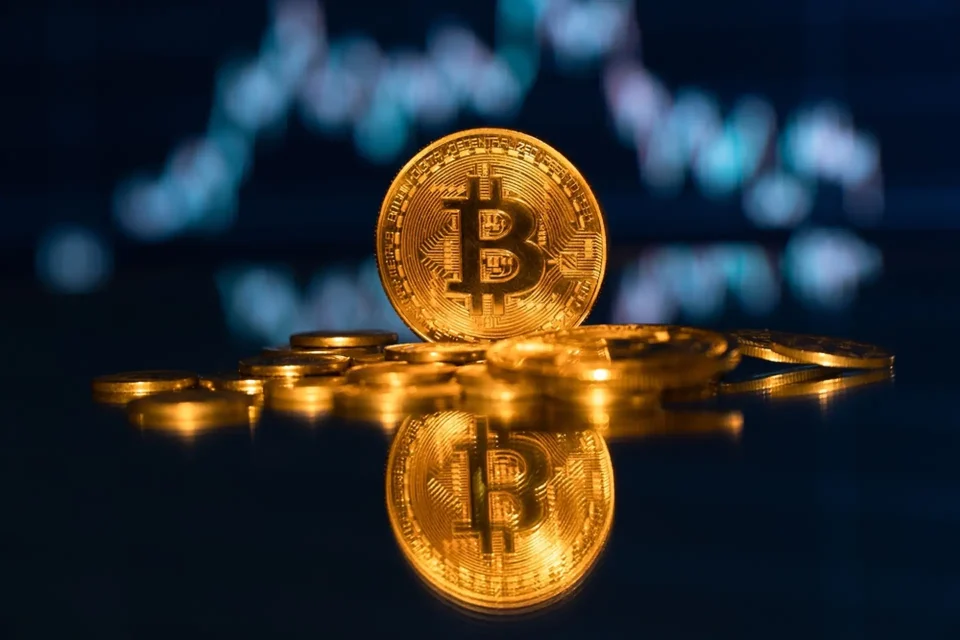
- Bitcoin (BTC) rose on hopes for US-Iran negotiations, but gave back part of its gains after briefly approaching $74,000 and then retreating toward $73,000 as a deal was delayed.
- Whether Iran’s frozen assets will be released, and the broader issue of sanctions relief, remain key sources of uncertainty and continue to act as market risk factors.
- The resumption of maritime transport in Qatar and the partial normalization of energy shipments helped reduce broader market risk by easing concerns over supply disruptions, even as the possibility of greater Bitcoin volatility remained in focus.
Forecast Trend Report by Period


Bitcoin and the broader cryptocurrency market rose on hopes for talks between the US and Iran, but pared some of those gains after the first round ended without an agreement.
BeInCrypto reported on June 11 that Bitcoin briefly approached $74,000 before falling back toward $73,000 after the opening round of negotiations concluded with no deal. The talks were held in Islamabad, Pakistan, and lasted about nine hours, but no formal agreement was announced.
The extended duration of the negotiations was still viewed as a positive sign. When talks do not collapse early and instead stretch late into the night, markets often interpret that as evidence that both sides are continuing substantive discussions. Reports that the negotiations had entered a more technical and detailed stage also supported expectations for progress.
Iran said during the talks that the US had accepted the release of frozen assets, but Washington has not officially confirmed the claim, leaving a gap between the two sides. The issue remains a key sticking point because it is directly tied to sanctions relief, and uncertainty remains high.
By contrast, the resumption of maritime transport in Qatar was viewed as confirmed progress. Authorities said ship operations would resume during limited time windows, allowing some energy shipments, including liquefied natural gas, to normalize. That helped ease concerns about supply disruptions and reduced broader market risk.
Against that backdrop, Bitcoin rose on hopes for easing geopolitical tensions. Still, with uncertainty over any final agreement unresolved, volatility could remain elevated. Markets are watching whether a deal is ultimately reached and how quickly energy supplies normalize.