
Is OPCH a good stock to buy? We came across a bullish thesis on Option Care Health, Inc. on r/ValueInvesting by Unusual_Reveal_8569. In this article, we will summarize the bulls’ thesis on OPCH. Option Care Health, Inc.’s share was trading at $21.99 as of June 18th. OPCH’s trailing and forward P/E were 17.16 and 12.35 respectively according to Yahoo Finance.

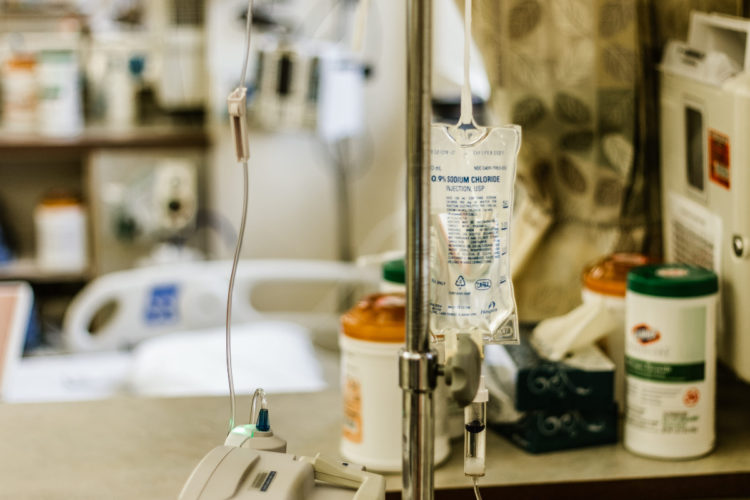
Option Care Health (OPCH) is the largest independent provider of home and alternate-site infusion services in the United States, operating a high-quality healthcare platform anchored in chronic infusion therapies, immunoglobulin treatments, and anti-infective medications, with strong payer integration and structurally sticky patient demand driven by the preference for at-home care versus hospital settings.
Read More: 15 AI Stocks That Are Quietly Making Investors Rich
Read More: Undervalued AI Stock Poised For Massive Gains: 10000% Upside Potential
The company has recently generated quarterly revenues in the $1.3–1.4 billion range, maintains approximately 2x net leverage, and delivers mid-to-high single digit EBITDA margins with forward guidance improving toward ~8.5 percent, reflecting underlying operational stability despite near-term volatility. A sharp Q1 2026 revenue miss and roughly 30 percent share price decline were driven primarily by Stelara biosimilar disruption within chronic inflammatory disease, where high-margin infusion volumes were unexpectedly displaced by self-administered alternatives, creating a market perception of structural demand erosion in a key profit pool.
However, the core investment thesis argues this dislocation is largely cyclical in the medium term, as meaningful additional biosimilar or self-administration substitution risk across OPCH’s broader molecule portfolio is limited until late 2027 to 2028, with most therapies exhibiting either slow transition dynamics or low economic impact. The valuation already reflects this pessimism, with OPCH trading at a forward P/E near 11x and EV/EBITDA around 10x, well below healthcare peers and historical averages, despite resilient earnings power and a ~$1 billion buyback program supporting capital returns.
Additional upside catalysts include insider buying, pipeline expansion into neurology, oncology, and rare disease infusibles, and secular tailwinds from continued migration of treatments from hospital to home care settings.
Overall, the setup is framed as an asymmetric opportunity where the base case implies 10 to 35 percent upside and the bull case implies 35 to 50 percent upside over the next one to three quarters, while downside is limited to roughly minus 5 to minus 15 percent, leaving the investment with a skewed risk-reward profile that remains fundamentally intact even under cautious market assumptions.