
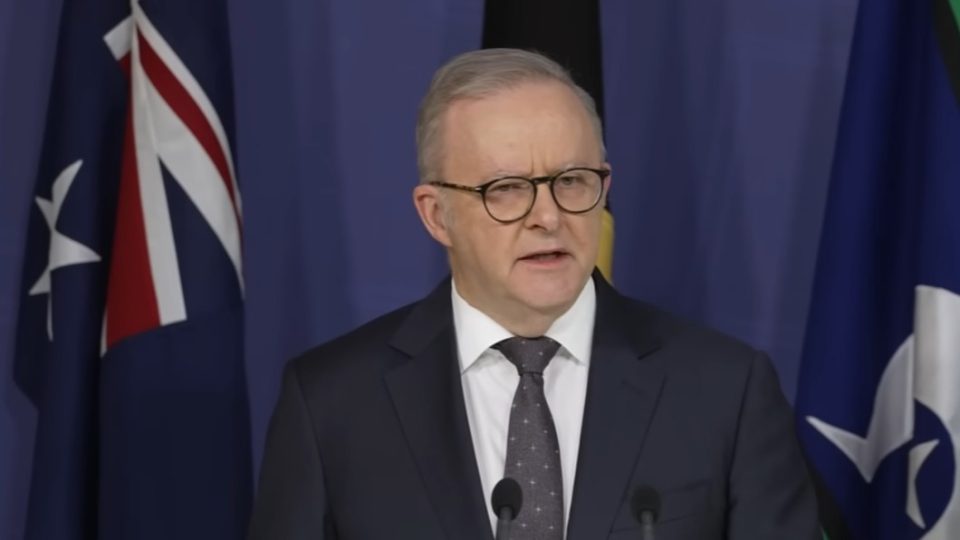
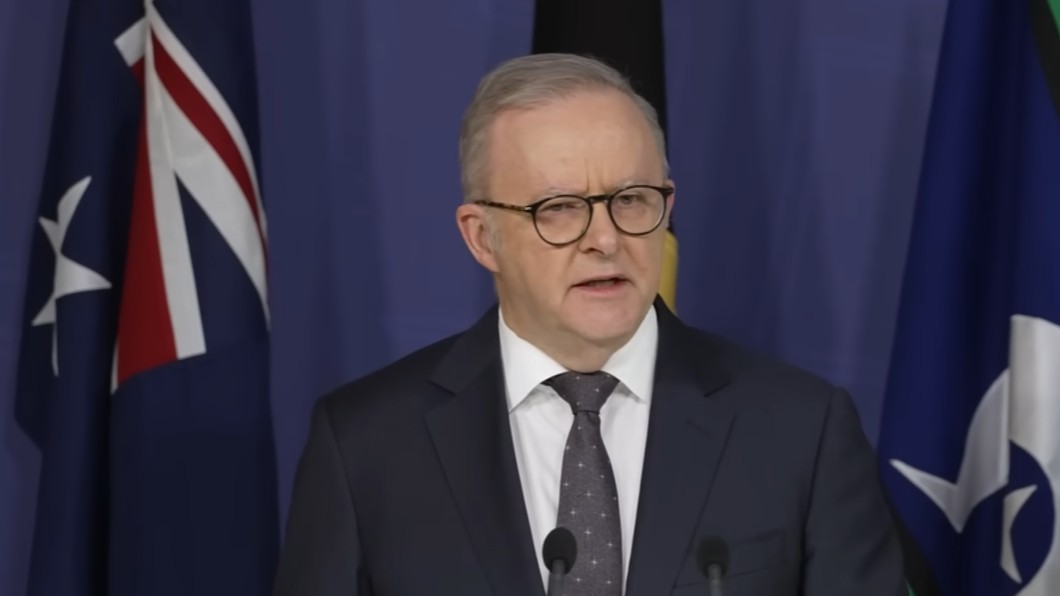
Prime Minister Anthony Albanese says proposed changes will support ‘Australia’s startup and venture capital ecosystem’. Image: ABC News / YouTube
Early-stage tech firms that the federal government deems to be innovative will be exempt from controversial reforms to capital gains tax (CGT), under a draft plan unveiled last week.
Prime Minister Anthony Albanese and Treasurer Jim Chalmers revealed plans on Thursday for targeted CGT exemptions for small businesses and startups.
The May budget introduced major changes to the CGT scheme, scrapping the current 50 per cent discount on the tax owed on any profits from selling shares, investment properties, or other assets.
Under the reforms, from July next year CGT would be applied on any profits made beyond inflation, with a 30 per cent minimum tax rate applied.
The announcement sparked significant backlash from the tech and startup sectors, with many industry figures and organisations saying it would disincentivise innovation, cause startups to move overseas, and damage the economy.
Startups typically offer equity as an incentive to potential staff and investors in lieu of higher salaries.
They are also often based around products or intellectual properties that are difficult to value in their early days, and can enjoy significant growth in short periods – leading to major capital gains.
This means many would likely face a higher tax bill for these gains under the plan first announced in Labor’s budget.
An exemption for some startups
Albanese and Chalmers last week unveiled a Treasury consultation outlining how the government plans to introduce targeted concessions for some startups and tech firms, allowing them to continue accessing the existing 50 per cent CGT discount.
For founders and employee share scheme participants in innovative startups, a choice between the 50 per cent discount or the indexation and minimum tax on gains accrued will be offered, under the draft plan.
“This will ensure that early investors in innovative startups that start with a low or zero cost base still receive a significant discount on a future capital gain, supporting the continued growth of Australia’s startup and venture capital ecosystem,” Albanese said on Thursday.
To qualify, it must be new equity issued after 30 June 2027 by an unlisted and independent company less than 10 years old, with an annual turnover of less than $50 million.
To access the 50 per cent tax discount, an individual will also need to have held the equity for at least five years.
Companies will have to demonstrate they are genuinely innovative early-stage startups, with the government planning to use the existing definition under the Early Stage Innovation Company tax incentive scheme.
To qualify for the exemption, a startup will have to be genuinely focused on developing a new or significantly improved innovation for commercialisation, have a high-growth potential, have the potential to successfully scale-up, must address a global market, and must demonstrate competitive advantages.
“While there is no agreed definition of ‘startups’, they are generally characterised as involving high levels of risk, long investment horizons, uncertain returns, and high growth potential,” the Treasury consultation paper said.
“Innovative startups that create new products or establish new markets can find it difficult to secure finance, particularly at early stages, because they do not have a sales history or tangible assets for collateral.”
Treasury is accepting submissions on the proposed startup exemption until 10 July.
Possible biotech, medtech carve-outs
The consultation paper also revealed the government is considering allowing biotech and medtech firms that are up to 15 years old to still qualify for the concession.
This is because these firms often have far longer commercialisation timespans than companies in other sectors.
The explicit recognition of these sectors was welcomed by AusBiotech CEO Rebekah Cassidy.
“AusBiotech advocated tirelessly for recognition of the health innovation sector as well as the unique traits of life sciences founders, their employees and investors,” Cassidy said.
“We welcome that recognition in the discussion paper as an important step forward.”
The government also announced on Thursday that the turnover threshold for 50 per cent active asset CGT concessions for small businesses would be raised from $2 million to $10 million.
Chalmers said this would mean all of Australia’s 2.7 million active small businesses would be able to access CGT concessions, along with 98 per cent of all active businesses.