
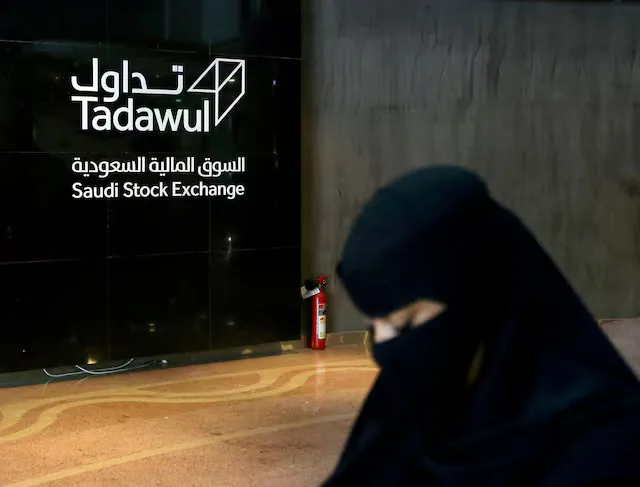
Saudi Arabia’s debt market is set for a strategic shift in early 2027, following J.P. Morgan’s announcement that local-currency bonds will be included in its global emerging markets bond index. The move represents a vote of confidence in the Kingdom’s structural reforms and is expected to open the door to substantial capital inflows that will help finance major economic transformation projects.
In a note, J.P. Morgan said the move follows a series of reforms to improve foreign investor access and enhance local market capabilities.
The bank added that Saudi sukuk, Shariah-compliant debt instruments that function similarly to bonds, with a remaining maturity of up to 15 years, will be eligible for inclusion in the Government Bond Index-Emerging Markets (GBI-EM), the most widely tracked benchmark of its kind, with $233 billion in assets tracking it.
J.P. Morgan said eight sukuk issues would be eligible for inclusion, with a total value of $69 billion.
The Kingdom’s inclusion in the index is expected to boost liquidity and demand for sovereign debt, contributing to lower borrowing costs.
In September, J.P. Morgan had placed Saudi Arabia on “Positive Index Watch,” paving the way for its eventual inclusion in the GBI-EM.
Commenting on the decision, Saudi Finance Minister Mohammed Al-Jadaan told Bloomberg that the move reflects continued confidence in the Kingdom’s economic transformation trajectory. He said the inclusion marks a new milestone in Saudi Arabia’s integration into global financial markets, adding that its immediate impact will be seen in broadening and diversifying the investor base and supporting long-term capital inflows into the domestic debt market, thereby strengthening the resilience and stability of the national economy.
The Significance of the Index
The importance of J.P. Morgan’s index lies in its role as a benchmark guiding major global fund allocations, particularly passive funds that track indices automatically. With an expected weighting of around 2.52 percent, Saudi bonds will become a core component of international investor portfolios, increasing government bond liquidity and reducing borrowing costs over the long term, a critical factor for the Kingdom’s economy.
Passive funds play a key role in ensuring steady inflows. Trillions of dollars globally are managed through such funds. Once Saudi Arabia is included in the index, these funds will purchase Saudi bonds to remain aligned with it. Unlike active investors, they do not rapidly buy or sell based on daily news or market sentiment, but continue to hold bonds as long as they remain in the index, providing significant stability to the Saudi debt market. Their participation also ensures a constant base of large-scale buyers, facilitating bond trading at any time.
Reforms That Paved the Way
This inclusion is the result of a series of regulatory reforms highlighted by the bank in its note. Saudi Arabia has improved international investor access by linking to the global Euroclear system, expanding its network of primary dealers to include international banks, and facilitating cross-border settlement and trading. These measures have enhanced legal certainty and transparency, making the Saudi debt market an attractive and secure destination for foreign capital.
Financial Stability Amid Regional Challenges
Beyond its economic dimensions, the move carries strategic significance amid ongoing geopolitical tensions in the region. Increased inflows into local bonds are expected to strengthen the government’s ability to manage any economic fallout from regional instability. It underscores the resilience and attractiveness of the Saudi economy, demonstrating its capacity to attract quality investment and secure the financing needed for its development plans regardless of external challenges.