
SCOTUS clears way for Trump immigration policy push
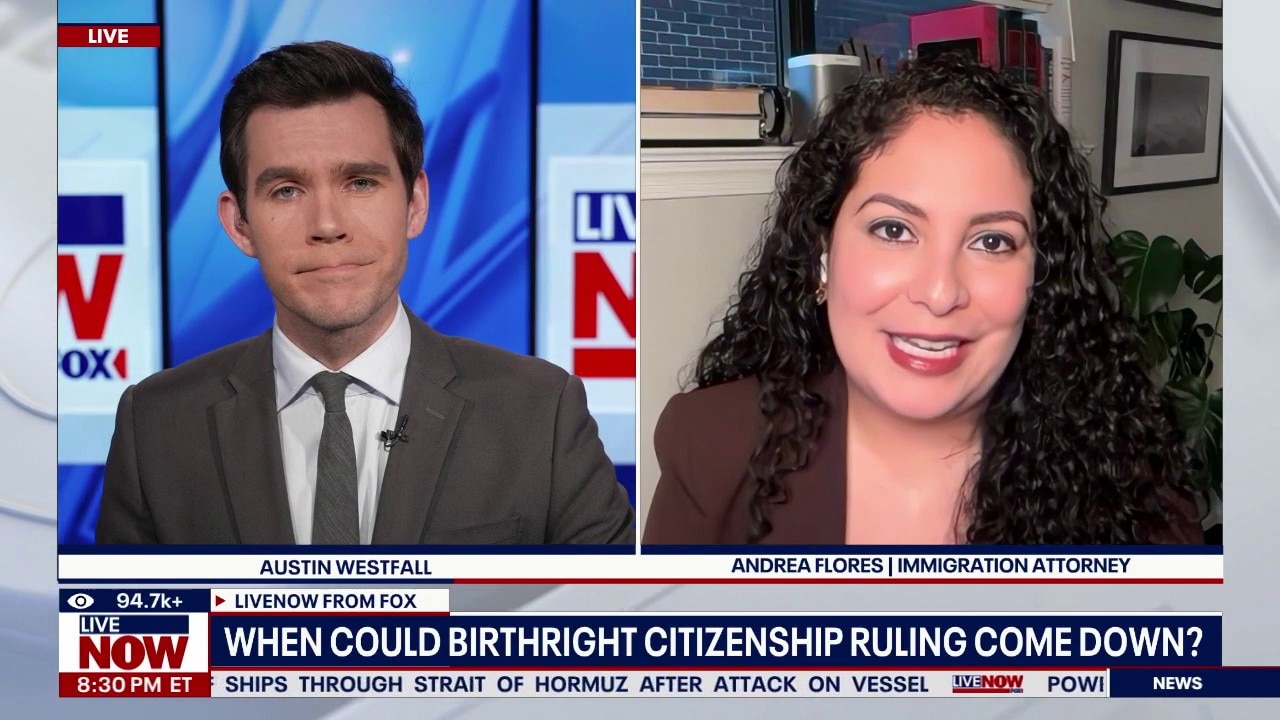
LiveNOW’s Austin Westfall is speaking with Andrea Flores as the Supreme Court cleared the Trump administration to potentially revive an immigration policy once used to turn back migrants seeking asylum at the southern border. In a 6-3 decision, the justices overturned a lower court order blocking the practice that limited the number of people who could apply for asylum each day under the Obama administration and during Trump’s first term.
The Trump administration is considering a potential $100,000 bond for some green-card applicants, according to multiple reports.
The move would align with President Donald Trump’s efforts to crackdown on legal immigration for people with limited funds.
Bond for green-card applicants
What they’re saying:
A U.S. State Department spokesperson told The Hill that if imposed, the fee would make sure green-card applicants are “financially self-sufficient” and “contribute to our society more than they take from it.”
“We are working closely with the Department of Homeland Security to introduce commonsense and effective procedures to enforce U.S. laws, restore the integrity of our immigration system, and protect American public benefits programs from the financial burden of foreigners who arrive with major expensive medical or other needs,” Pigott said in a statement to The Hill.
“As part of this comprehensive initiative, the Department is exploring the use of a long-standing legal authority under the Immigration and Nationality Act (INA) to require certain visa applicants — those who are otherwise ineligible for a visa because they are likely become a public charge — to post a bond as a way to demonstrate they have access to the funds needed to support themselves.”
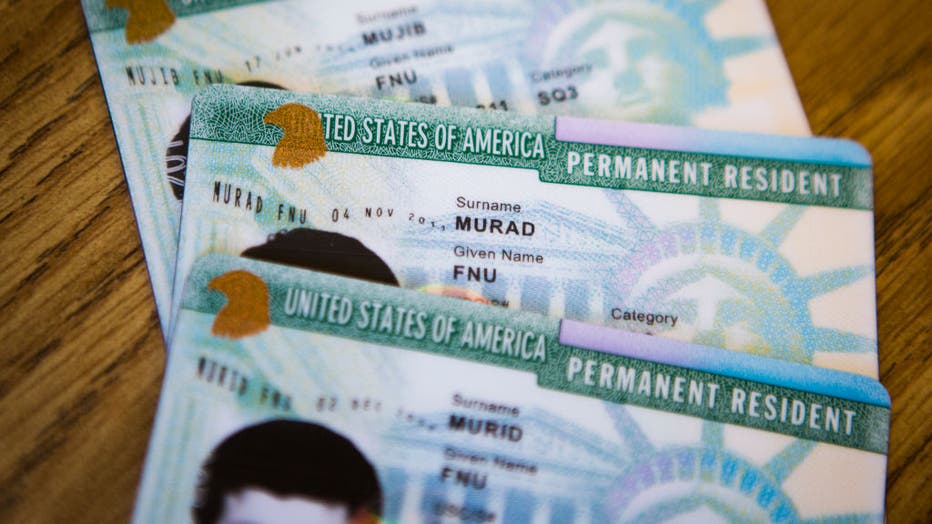
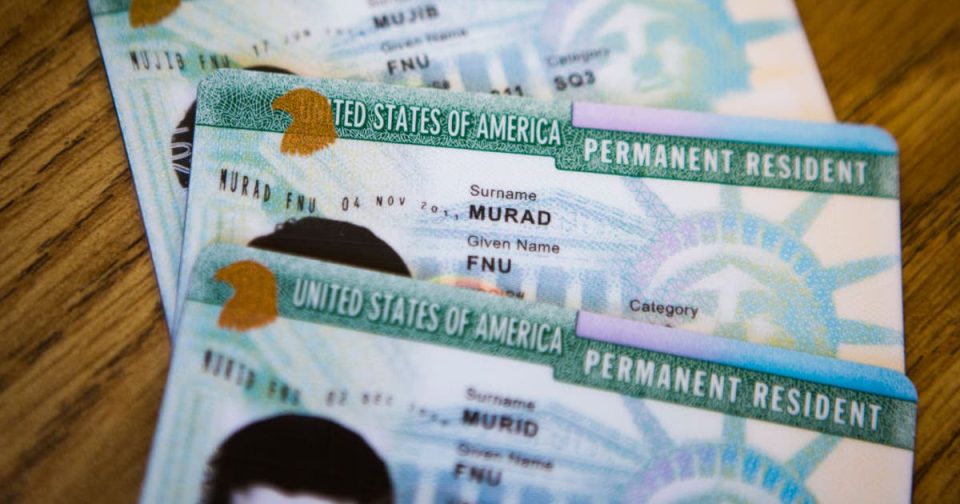
FILE: Permanent resident cards in the US (Photo by Marie D. De Jesus/Houston Chronicle via Getty Images)
How much is a green card?
By the numbers:
According to The Hill, green-card applicant fees vary depending on what kind of green card is being sought, and whether the application comes from inside the U.S. or from another country.
The standard filing fee for Form I-485 is $1,440 for people who apply from inside the country. Applicants who need a work permit and travel documents typically face higher fees.
Those applying outside the U.S. usually pay a $325 DS-260 visa application fee.
The Trump administration’s proposed bond policy would charge $100,000 to the applicants or their family members in the U.S., then return the money at a later date.
Trump’s crackdown on legal immigration
Big picture view:
The Trump administration has been cracking down on both illegal and legal immigration since he took office for a second term.
Last year, the White House tried to require a $100,000 fee for H-1B visa workers, who are hired by American companies for specialty jobs and admitted to the U.S. for three years. Unlike green-card holders, they are not considered lawful permanent residents of the U.S.
A federal judge struck down the H-1B visa fee, ruling that the executive branch exceeded its authority and violated the Administrative Procedure Act, which governs how federal agencies develop and issue regulations.
Dig deeper:
The administration is also reviving a rule that could deny green cards to immigrants who use public benefits that could include food stamps, Medicaid, housing vouchers and others.
RELATED: USCIS to scrap Biden-era ‘public charge’ policy that could deny green cards for immigrants
The policy, known as “public charge,” appeared on Thursday in the Federal Register. It will be formally published on July 20 and take effect Sept. 18. Under the policy, applicants for green cards have to show they wouldn’t be burdens to the country or “public charges.”
The policy was first implemented in February 2020 as one of Trump’s moves to limit legal immigration during his first administration, but it was reversed under Democratic President Joe Biden.
RELATED: Work permits extended for Haitians, other immigrants with temporary protected status
Federal law already requires those seeking permanent residency or legal status to demonstrate that they will not become a public charge. The Trump administration’s rule, however, broadens the grounds for disqualification.
The other side:
Sharvari Dalal-Dheini, head of government relations at the American Immigration Lawyers Association, said the $100,000 green-card bonds appear designed to “keep out a certain type of immigrant.”
“We’re making our system pay-to-play: Only the wealthy can come visit, or reunite with family, or seek a better life for themselves,” Dalal-Dheini told The Wall Street Journal.
The Source: This article includes information from The Wall Street Journal, The Hill and The Associated Press.