
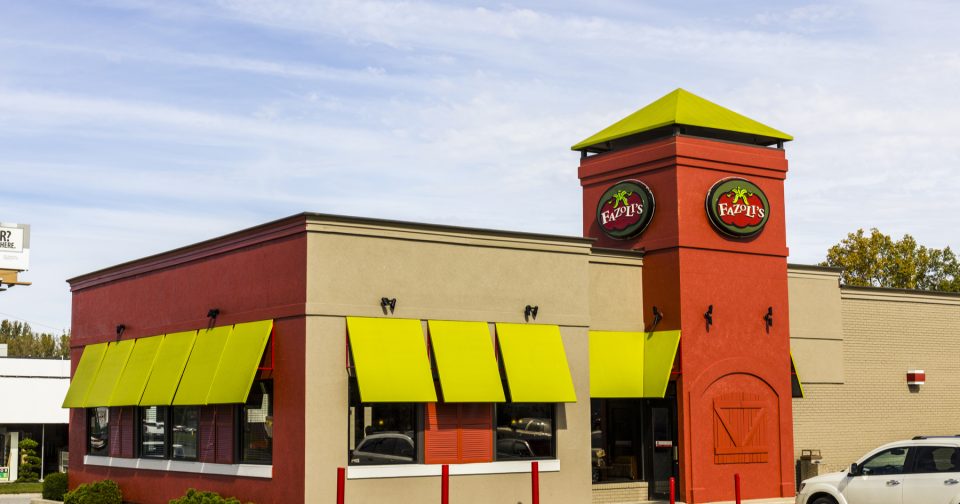

Fazoli’s owner Fat Brands claims lenders should have known about the company’s actions before they invested. | Photo: Shutterstock.
Lenders pushing to have a trustee appointed to oversee Fat Brands through bankruptcy knew about many of CEO Andy Wiederhorn’s actions before they invested in the company—or such actions were disclosed.
That is according to a court filing from Fat Brands this week. The restaurant chain operator, which filed for Chapter 11 bankruptcy in January, wants a court to require an ad hoc group of the company’s lenders hand over documents and testify about what they knew before they invested, and whether they considered it troublesome.
The lenders’ request for a trustee “rests almost entirely on allegations of prepetition conduct that were either known to the ad hoc group before its members purchased their notes, or subsequently disclosed by the debtors in its public filings and noteholder reports,” Fat Brands said in a filing.
The filing continues what has been an acrimonious relationship between Fat Brands and the investors who bought the company’s bonds, which it used to fund a series of acquisitions in 2020 and 2021. Fat Brands owns 16 chains, including Twin Peaks, Round Table Pizza, Johnny Rockets and several others.
There are a number of legal challenges and lawsuits between the company and the investors in the company’s securitized bonds, even as they work through a court-ordered mediation process.
The ad hoc group had initially asked to have a trustee appointed, citing concerns about Wiederhorn’s management of the company, then asked that he be suspended following an unauthorized stock sale.
Lenders criticized $47 million in loans from the company to the Wiederhorn family that were later forgiven, along with bonuses and raises handed to two of Andy Wiederhorn’s sons just before the filing. They said that Wiederhorn “treats these companies as his personal piggy bank” and said that Fat Brands is in bankruptcy “because Andrew Wiederhorn looted them to support himself and his family.”
One of the largest bondholders has also sued Fat Brands to prevent the company from using management fees authorized in the company’s securitized financing to pay its bills.
The current debate is over whether a trustee should oversee the company through the bankruptcy process, rather than Wiederhorn and his management team and board, which include several members of his family.
Fat Brands’ filing this week notes that lenders had the opportunity to replace Fat Brands management before the bankruptcy filing but refused to do so.
“The ad hoc group chose not to exercise its contractual right to replace the managers when manager termination events occurred and were disclosed in the debtors’ public filings,” the filing says. “If the appointment of a trustee were truly in the best interests of the securitization noteholders, why did the ad hoc group—which acknowledges holding approximately 85% of the outstanding notes—not simply replace the managers when it had the opportunity to do so?”
The company in its filing calls the information “highly relevant.”
“The members of the ad hoc group are deeply knowledgeable and experienced market participants,” Fat Brands said. “If they believed that the alleged conduct was not disqualifying, that fact is highly relevant to whether a trustee should be appointed.”
Members help make our journalism possible. Become a Restaurant Business member today and unlock exclusive benefits, including unlimited access to all of our content. Sign up here.