
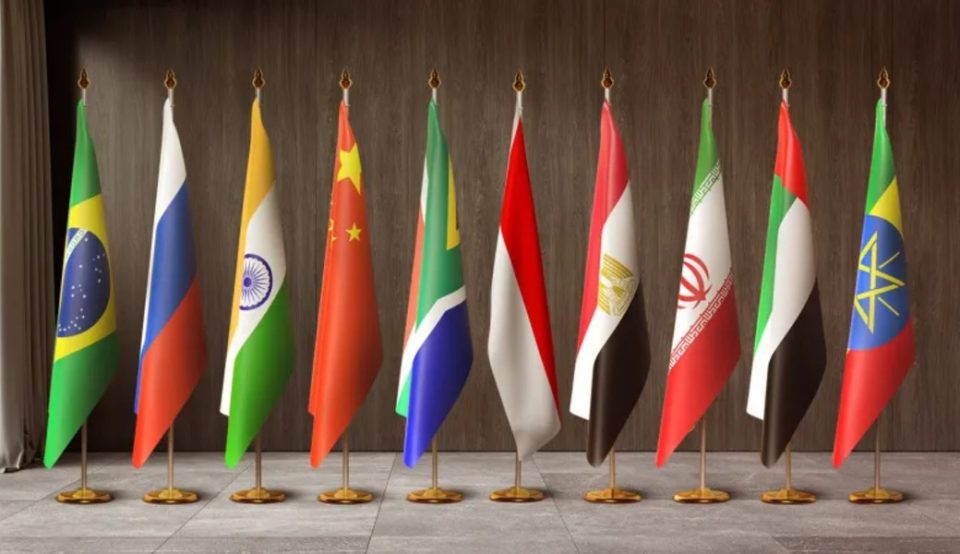
The BRICS alliance dominates an array of commodities, which is much ahead of that of Western countries. This could lead to a great decoupling as the wealth of natural resources now belongs to the 11-member bloc. This includes energy, food, and minerals, among others, which makes them self-sustainable. The market for the commodities runs into billions, giving the member nations an advantage in trade.
Also Read: BRICS Share of Global GDP Exceeds 40%
The 10 Commodities That the BRICS Alliance Dominates
The majority of BRICS countries boast of natural resources in abundance. This includes production capacity, output, and export of all the items globally. The alliance has all the critical minerals that can run electric cars, wind turbines, and also minerals for war equipment. This could make the West depend on developing countries in the coming years.
Below is the list of commodities that BRICS dominate:
- 90% of global rare earth processing.
- 50% of global gold production.
- 79% of global aluminum production.
- 77% of palladium production.
- 45% of the world’s oil reserves.
- 42% of global food production.
- 40% of all global industrial production.
- 40% of fresh water reserves.
- 40% of grain and meat.
- 5% of the world’s rice.
In addition, 30% of the world’s arable land also belongs to BRICS countries. This means food and security products are safe when in need. While Western countries dominate paper wealth, BRICS dominate commodities, critical minerals, rare earth minerals, food, water, and gold. This puts them ahead in the league when the time comes for global commodity consumption.
In terms of population, the BRICS countries have 4.4 billion people, making 55% of the world’s population. G7 countries account for less than 10% of the global population. Both have their pros and cons, but they make developing countries have an endless and robust workforce. Even Western countries now depend on talent from emerging economies to fulfil their financial aspirations.